Community
Celebrating National Youth Sports Safety Month in Athletics
Every young athlete deserves to play with confidence, knowing their safety is the foundation for building limitless potential on and off the field.
Why Youth Sports Safety Matters to Every Family and Community
When young athletes step onto the field, court, or track, they bring with them the dreams of their families and the hope of their communities. Safety is not just a set of rules—it is the foundation that allows every child to pursue athletic excellence while building character, resilience, and leadership. For community program directors and youth development coordinators planning track meets, clinics, and youth leagues across the United States, understanding the critical importance of safety creates an environment where potential is truly limitless.
Youth sports safety extends far beyond preventing physical injuries. It encompasses emotional well-being, mental health support, and creating inclusive spaces where every participant feels valued and protected. When families entrust organizations with their children, they are placing confidence in a system that prioritizes their well-being above all else. This trust forms the cornerstone of strong community networks that include local nonprofits, schools, and family support systems working together to empower the next generation.
National Youth Sports Safety Month provides an opportunity to reaffirm our collective commitment to these young athletes. By establishing comprehensive safety protocols, training volunteers and coaches in best practices, and fostering open communication with families, organizations can create athletic programs that develop not only skilled competitors but confident, character-driven individuals prepared for success in all areas of life. Safety is the platform from which every young person can discover and realize their full potential.
Building a Foundation of Safe Athletic Practices Through Character and Discipline
Character development and safety are inseparable in youth athletics. When young athletes learn discipline, integrity, and accountability within a structured and safe environment, they gain tools that extend far beyond the playing field. Program directors organizing community track and field meets and youth sports leagues must recognize that teaching proper technique, emphasizing warm-up protocols, and reinforcing respectful behavior are all elements of a comprehensive safety strategy rooted in character building.
The integration of character education into athletic training creates a culture where young people understand that following safety guidelines is not about limitation—it is about empowerment. Athletes who demonstrate discipline in their preparation, who show respect for their bodies and their teammates, and who embrace accountability for their actions are better equipped to avoid risky behaviors and respond appropriately when challenges arise. This approach transforms safety from a set of external rules into an internalized value system.
Organizations planning youth athletics community events should incorporate character development modules alongside skill training. By teaching young athletes the moral courage to speak up when something feels unsafe, the resilience to recover from setbacks, and the leadership to model safe practices for peers, programs cultivate an environment where safety and character reinforce each other. This foundation prepares young people not just to compete at a higher level, but to thrive as leaders in their communities and beyond.
Essential Safety Measures That Empower Young Athletes to Thrive
Implementing essential safety measures begins with thorough preparation and planning. For community program directors organizing track meets, clinics, and youth leagues, this means conducting facility inspections to identify and address hazards, ensuring proper equipment maintenance, and establishing clear emergency action plans. Every event should include accessible first aid stations, trained medical personnel or volunteers with current CPR and first aid certifications, and documented protocols for handling injuries or medical emergencies.
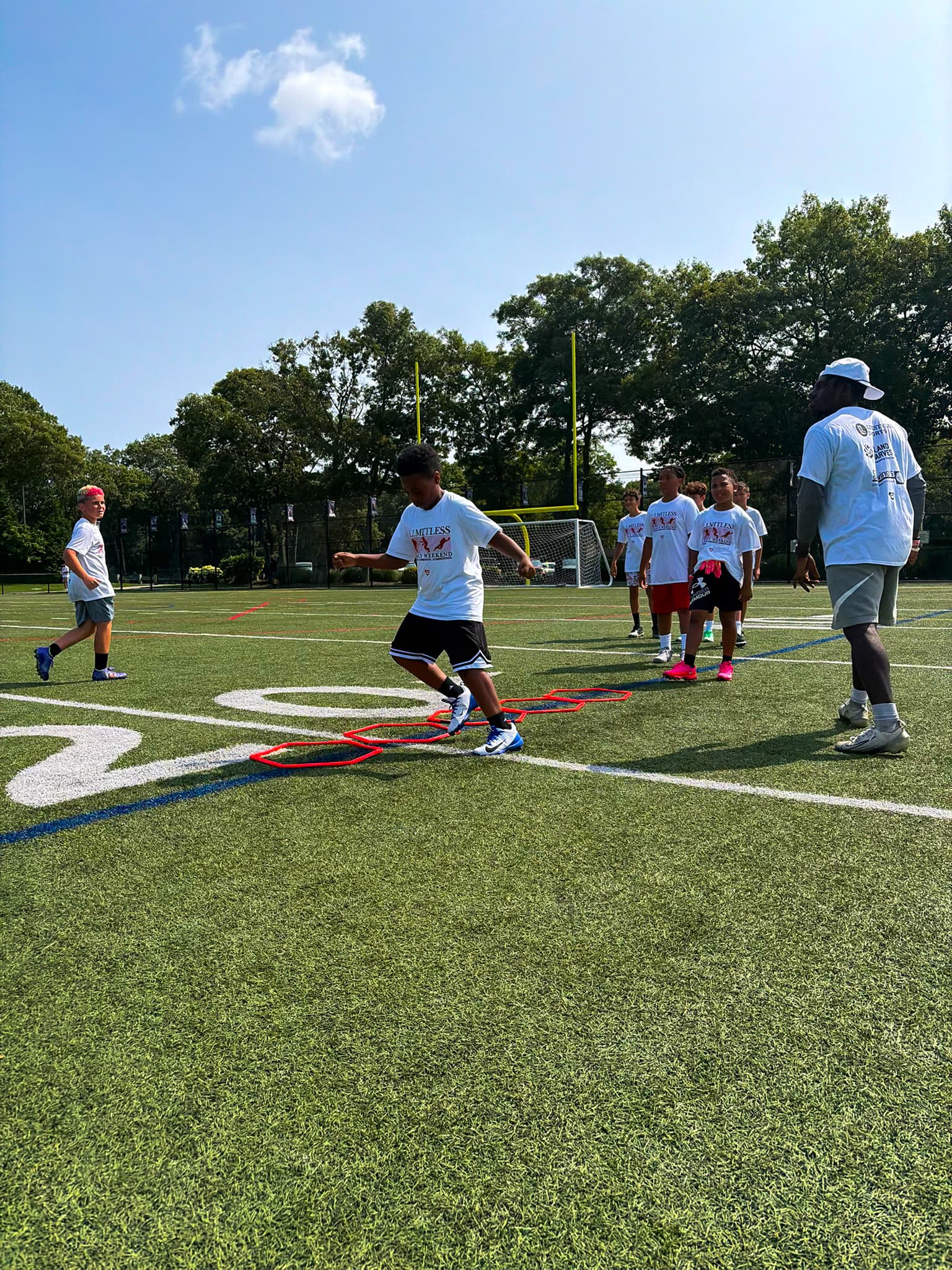
Proper athlete preparation is equally critical. Youth athletics programs must require comprehensive health screenings and parental consent forms that document pre-existing conditions, allergies, and emergency contact information. Progressive training protocols that gradually increase intensity help prevent overuse injuries, while mandatory rest periods and hydration breaks protect young athletes from heat-related illnesses. Age-appropriate conditioning and skill development ensure that participants are physically prepared for the demands of competition without being pushed beyond safe developmental limits.
Environmental considerations also play a vital role in safety planning. Monitoring weather conditions and having clear policies for lightning delays, extreme heat protocols, and air quality concerns protects athletes from preventable risks. For outdoor track and field meets, providing shaded areas, ensuring adequate water availability, and scheduling events during cooler parts of the day demonstrates organizational commitment to athlete well-being. These measures create an environment where young people can focus on developing their skills, building confidence, and discovering their limitless potential with the assurance that their safety is the top priority.
How Coaches and Mentors Champion Safety While Developing Skills
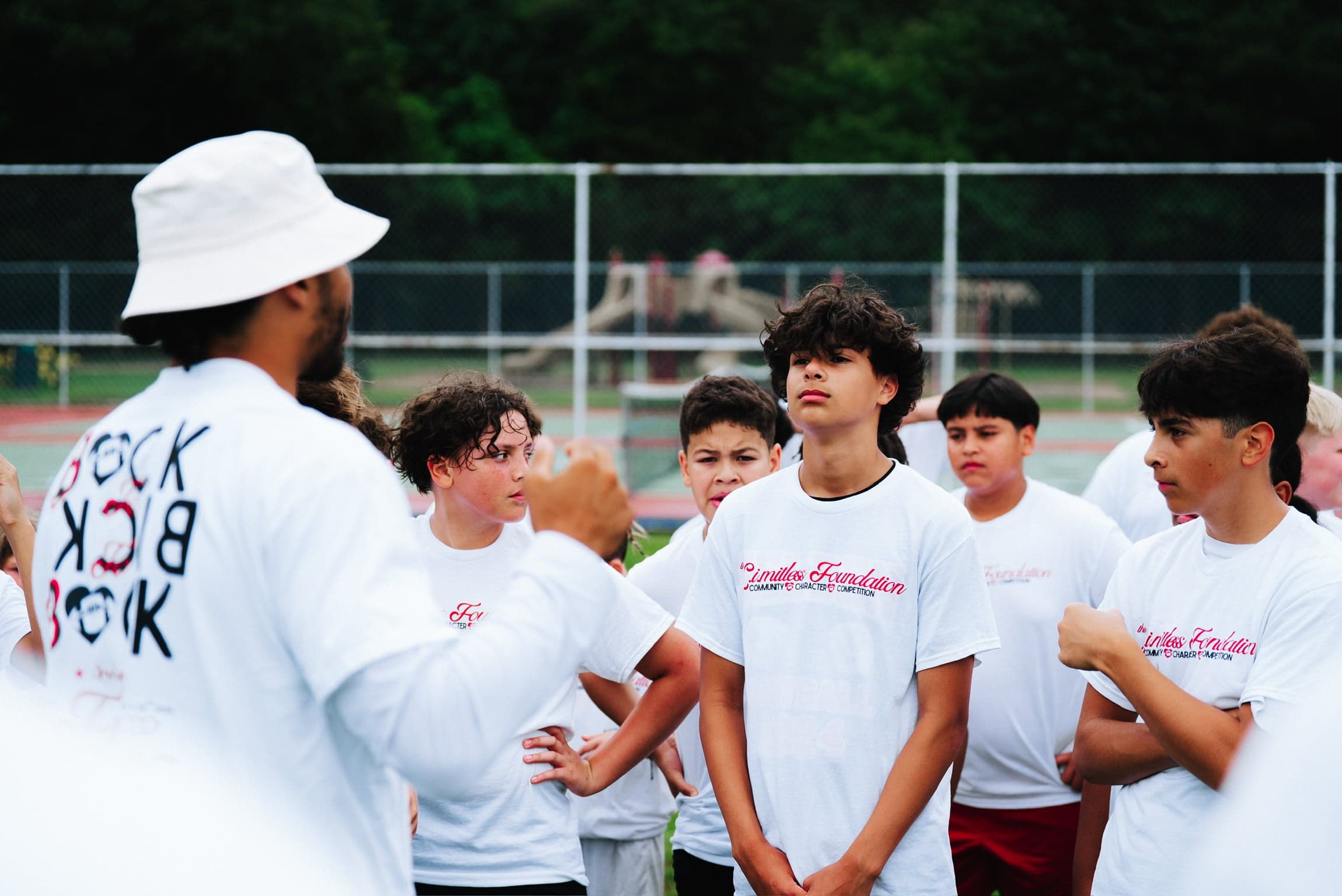
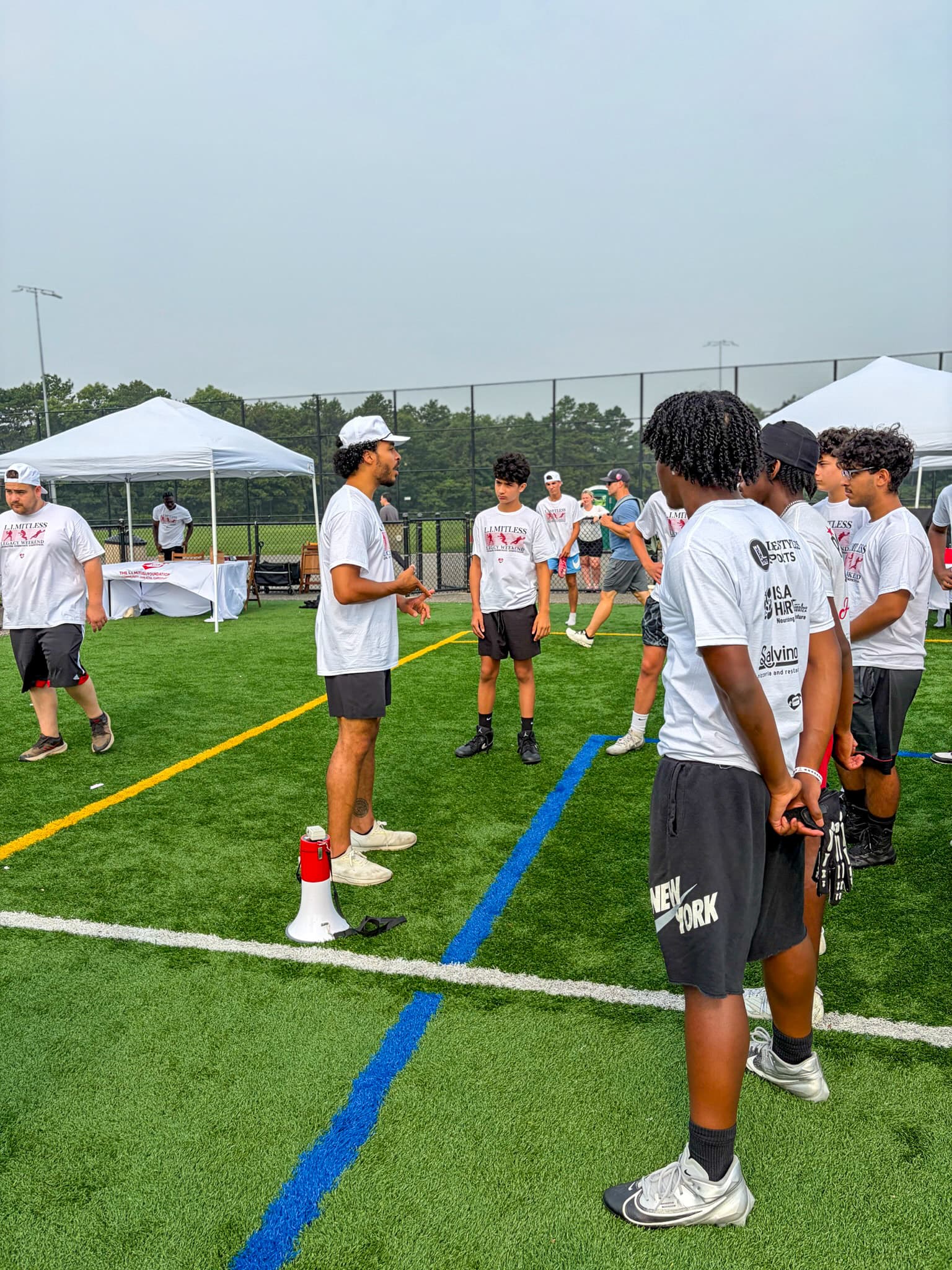
Coaches and mentors serve as the frontline champions of safety in youth athletics programs. Their influence extends far beyond teaching proper technique—they model the behaviors, attitudes, and values that shape how young athletes approach training and competition. For organizations recruiting and training volunteer coaches for community events, emphasizing safety education alongside skill development creates a comprehensive approach that protects participants while fostering athletic excellence.
Effective coach training programs should include modules on recognizing signs of injury or distress, understanding age-appropriate training loads, and communicating effectively with young athletes about their physical and emotional well-being. Coaches who create an environment where athletes feel comfortable reporting pain, fatigue, or concerns prevent minor issues from becoming serious injuries. This open communication builds trust and reinforces the message that safety and performance are complementary, not competing, priorities.
Mentorship extends the safety culture beyond the field. When experienced athletes, coaches, and community volunteers provide guidance and support, they help young people develop the judgment and confidence to make safe decisions independently. Mentors who emphasize proper nutrition, adequate rest, mental wellness, and balanced training teach athletes that taking care of their bodies and minds is essential to achieving their goals. This holistic approach prepares young athletes for success in all areas of life, embodying the principle that character development through athletics creates leaders who carry these lessons forward into their families, schools, and communities.
Creating a Culture Where Safety and Excellence Go Hand in Hand
Building a culture where safety and excellence coexist requires organizational commitment at every level. Community program directors and youth development coordinators planning athletics programs must establish policies that prioritize athlete well-being while maintaining high standards for skill development and competitive performance. This culture starts with leadership that consistently communicates that no achievement is worth compromising the health and safety of young participants.
Engaging families, volunteers, and community partners in safety initiatives strengthens this culture. Hosting safety workshops for parents, providing volunteer training sessions, and partnering with local healthcare providers and sports medicine professionals creates a network of support around every athlete. When families understand safety protocols, recognize warning signs, and reinforce safe practices at home, the impact multiplies. Organizations that foster this community involvement demonstrate that youth empowerment requires collective action and shared responsibility.
Celebrating safety achievements alongside athletic accomplishments reinforces cultural values. Recognizing coaches who demonstrate exemplary safety practices, highlighting athletes who show leadership in promoting teammate well-being, and sharing stories of how safety protocols prevented injuries or protected participants validates the importance of these efforts. As organizations across the United States plan youth sports leagues, track and field meets, and athletics programs for kids, establishing this culture creates environments where young athletes can push their boundaries, embrace healthy competition, and develop both on and off the field—all while knowing their safety provides the foundation for building truly limitless potential.
Enjoyed this article?
Support our mission to empower Long Island youth.