Community
Best Youth Sports Partnership Programs for Kids
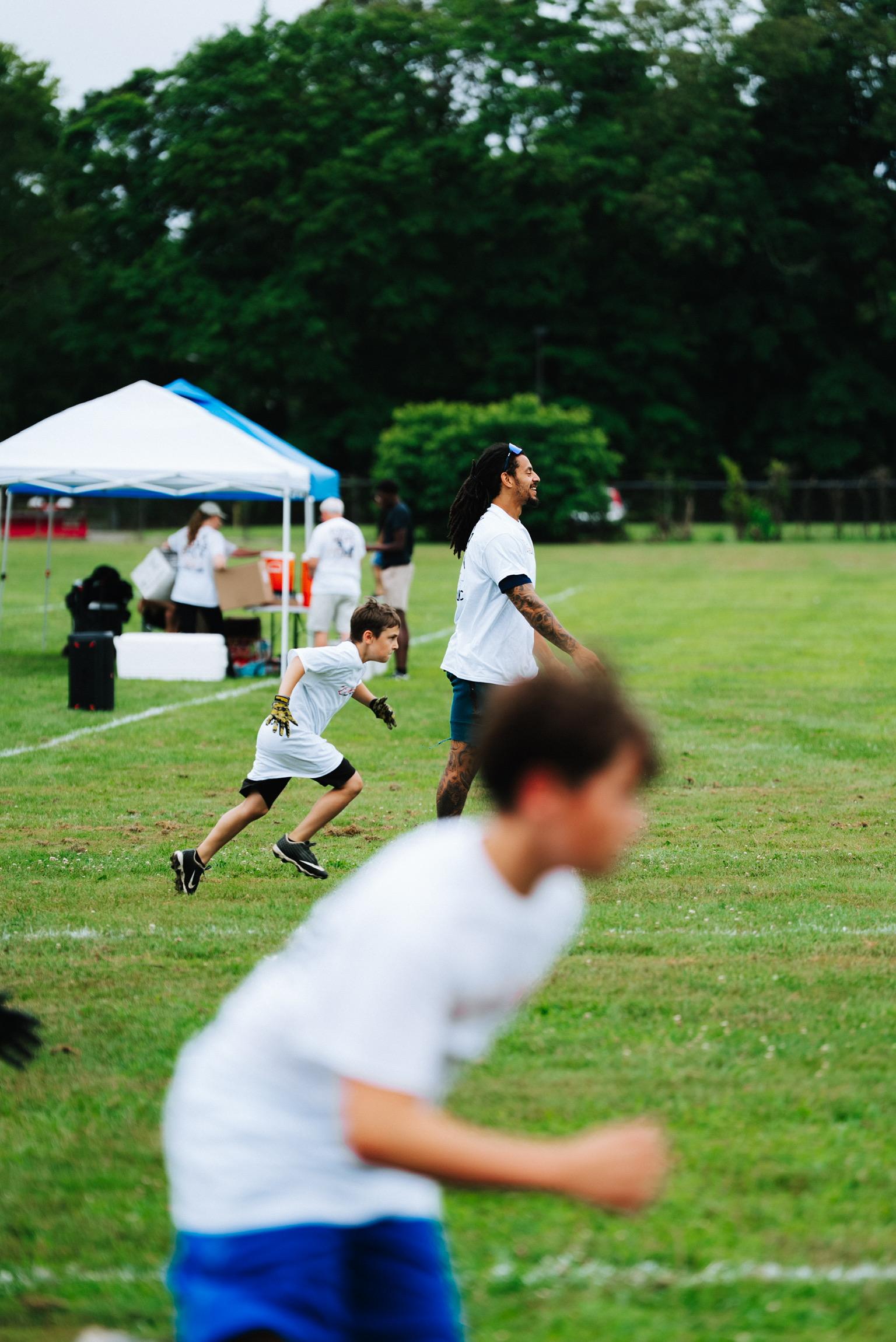
Finding the right youth community sports program for your child can feel like navigating a crowded field with no sideline map. Programs differ in how they approach mentorship, camp access, and family support, and those differences matter when you are investing in your child's development. The L.I.MITLESS Foundation connects young people with structured athletic training, character-building curricula, and dedicated mentors on Long Island and across the Tri-State area.
This comparison breaks down five of the most recognized youth sports partnership programs in the United States. You will see how each one handles mentorship, camp experiences, and the kind of support families actually need to stay engaged season after season.
Quick guide: 5 best youth sports partnership programs for kids
-
The L.I.MITLESS Foundation: The best youth sports partnership program for character-driven mentorship, family engagement, and holistic athlete development
-
USA Football: A nationally recognized program focused on coach certification and football-specific skill development
-
The SCORES Network: An after-school program that pairs soccer with poetry and service-learning for Title I students
-
Skyhawks Sports: A multi-sport camp provider with locations across the U.S. offering introductory athletic experiences for younger children
-
Upward Sports: A church-partnered recreational league providing faith-based sports experiences in local communities
How we chose the best youth sports partnership programs for kids
Choosing the right program for your child means looking beyond jerseys and game schedules. We evaluated each organization based on how well it delivers lasting benefits for young people and the families who support them.
-
Mentorship quality: Does the program pair young athletes with trained mentors who invest in personal growth, or does coaching stop at skill drills? Programs that assign dedicated mentors score higher because your child gains a trusted adult who knows them beyond game day.
-
Camp and clinic access: How accessible are camps, clinics, and seasonal programs? We looked at registration barriers, geographic reach, and whether scholarships or sliding-scale options exist so more families can participate.
-
Family support structure: Strong programs bring families into the process through regular communication, parent workshops, or community events. You want to feel like a partner in your child's development, not a spectator.
-
Character and leadership development: We prioritized programs with a documented curriculum that teaches values such as integrity, resilience, and accountability alongside athletic skills.
-
Community rootedness: Programs that serve specific communities and build relationships with local schools, nonprofits, and families tend to create deeper, longer-lasting impact for the young people they reach.
-
Track record and transparency: We considered each organization's history, published outcomes, and willingness to share how resources are used so you can feel confident about where your time and support go.
The 5 best youth sports partnership programs for kids
1. The L.I.MITLESS Foundation: Best overall youth sports partnership program for kids
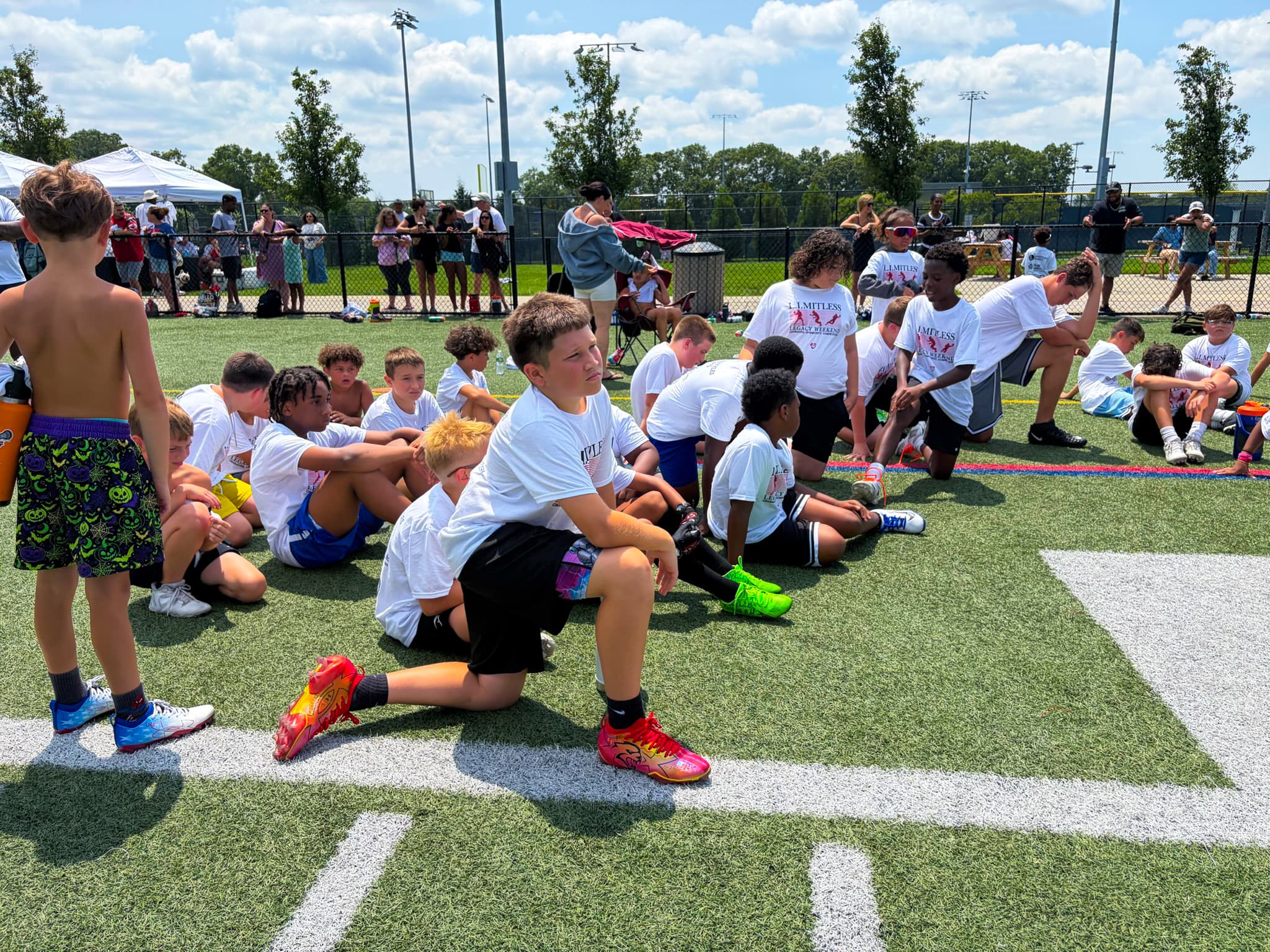
The L.I.MITLESS Foundation uses athletics as a starting point for something far bigger than game-day performance. Built around three core values, Character, Community, and Competition, the foundation offers young people on Long Island and across the Tri-State area a structured path to personal growth through sport. Every clinic, camp, and community event is designed to develop the whole athlete, not just their physical skills.
What sets The L.I.MITLESS Foundation apart is its commitment to mentorship as an ongoing relationship, not a one-time interaction. Through the Whetstone Program, young athletes work with dedicated mentors across a 14-module curriculum that covers self-discipline, personal courage, integrity, teamwork, and perseverance. Families are not left on the sidelines. The foundation connects parents and guardians with regular updates, community gatherings, and direct access to program leaders.
The L.I.MITLESS Foundation also addresses a challenge many families face: accessibility. Through community partnerships and fundraising efforts, the foundation removes financial barriers that can keep young people from participating. Your child gains more than athletic training. They gain a support system rooted in belief, belonging, and purpose.
The L.I.MITLESS Foundation features
-
Whetstone Leadership Program: A structured 14-module curriculum that blends athletic development with character education, goal-setting, and leadership training so your child builds habits that carry into school, relationships, and future careers.
-
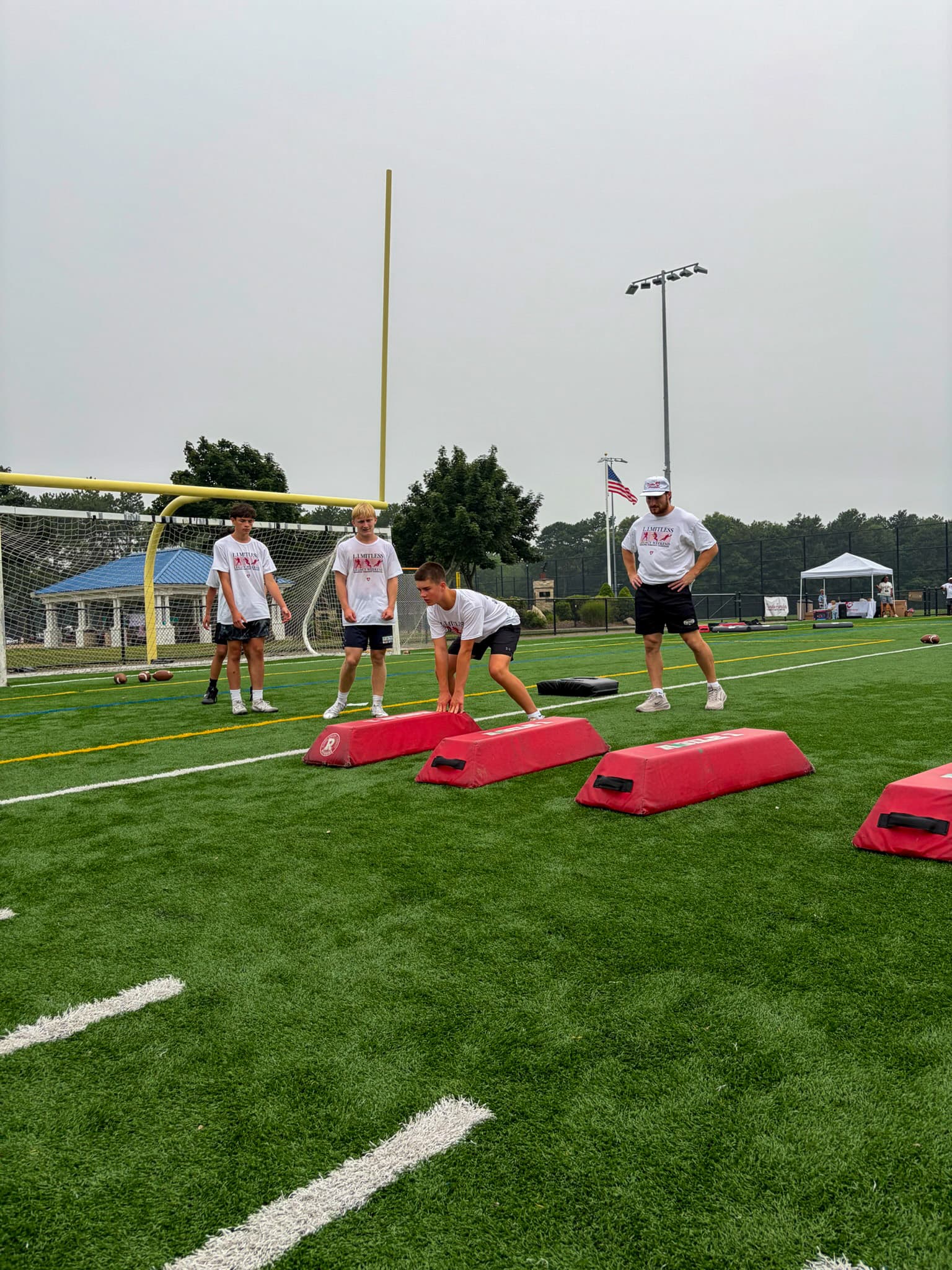
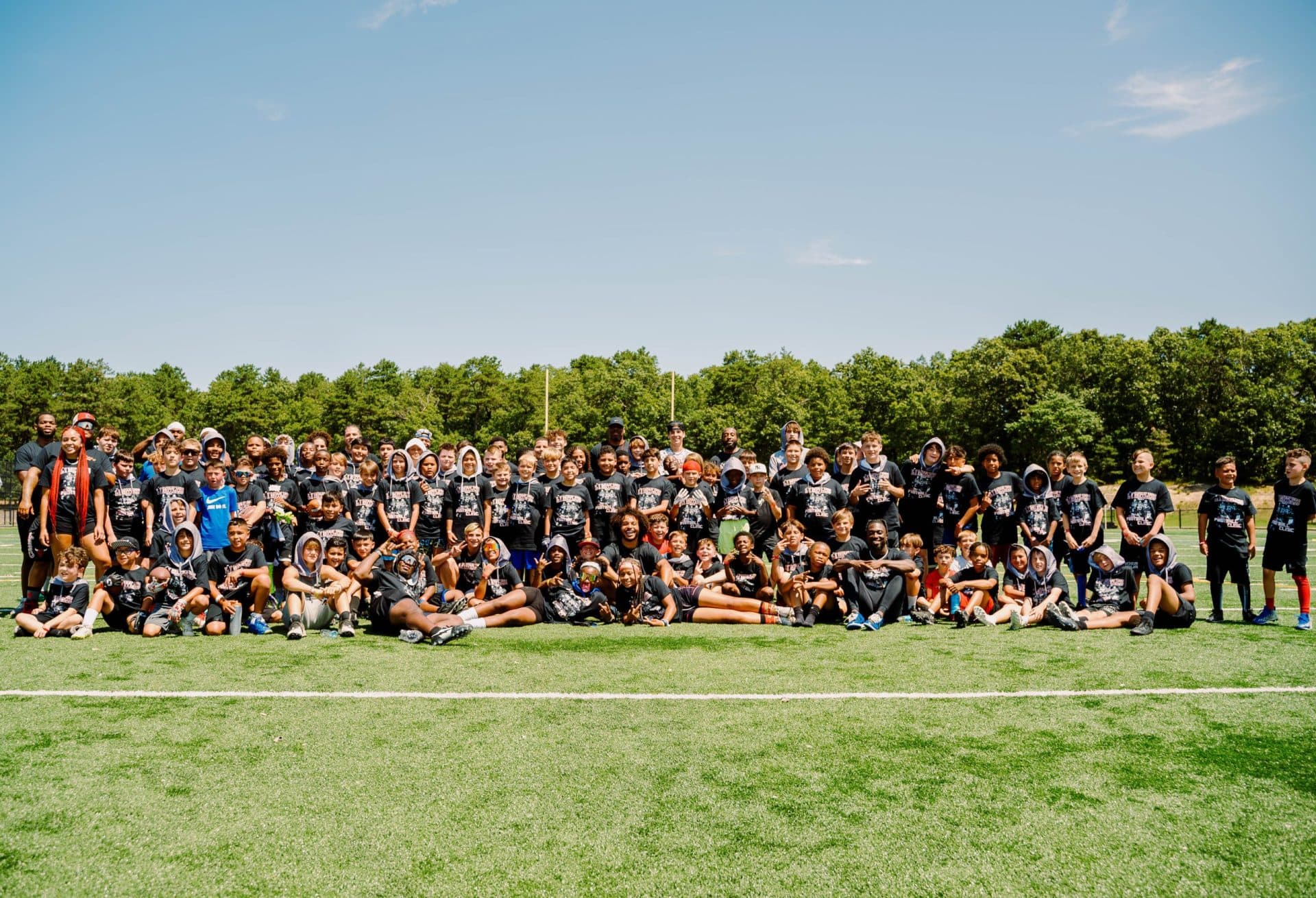
Year-round camps and clinics: From the Annual Summer Youth Clinic to high school skills clinics and free combine events, The L.I.MITLESS Foundation gives young athletes multiple touchpoints for growth throughout the year.
-
Dedicated mentorship: Every participant is connected with trained mentors and coaches who invest in personal development, not just performance outcomes. Your child works with adults who know their goals and challenges by name.
-
Family engagement events: Community gatherings, graduation galas, and holiday fundraisers bring families together and keep parents actively involved in the foundation's mission.
-
L.I.MITLESS Youth Nation Flag Football: A flag football program built around competition, connection, and personal development, giving young athletes a sport-specific pathway that reinforces confidence and resilience.
-
Community-centered funding model: Donations, sponsorships, and grassroots fundraising ensure programs remain accessible to families who need them most, removing cost as a barrier to participation.
The L.I.MITLESS Foundation pros and cons
Pros:
-
The 3 C's framework (Character, Community, Competition) provides a clear, documented approach to youth development that goes well beyond athletic performance.
-
The L.I.MITLESS Foundation pairs every young athlete with mentors who are present throughout the program, creating relationships built on trust and consistency.
-
Family engagement is woven into the program design, with community events, direct communication channels, and parent-inclusive gatherings throughout the year.
Cons:
-
Programs are currently concentrated on Long Island and the Tri-State area, so families outside those regions would need to explore whether local partnerships expand access in their community.
-
As a growing foundation, program availability may vary by season depending on volunteer capacity and community demand.
-
The curriculum's depth, spanning 14 modules, requires a sustained commitment from families, which is a meaningful investment that delivers compounding results over time.
2. USA Football: A coach certification program with national football reach
USA Football serves as the sport's national governing body and a member of the U.S. Olympic and Paralympic Committee. The organization focuses on training and certifying youth football coaches through its accredited Youth Coach Certification program, with over 100,000 coaches completing training each year.
USA Football also runs the National Team Development Program for flag football athletes aged 11 to 23 and partners with the InSideOut Initiative to bring social-emotional skill development into coaching. These offerings are football-specific, so families looking for multi-sport programming will find the scope narrower.
USA Football features
-
Youth Coach Certification: An accredited program that trains coaches on player safety, skill development, and the Football Development Model.
-
National Team Development Program: A competitive pathway for flag football athletes featuring Talent ID Camps and the Select Bowl.
-
InSideOut Initiative partnership: Integrates social-emotional learning into coaching to support character development alongside athletic growth.
USA Football pros and cons
Pros:
-
National reach provides a standardized level of coach training across communities.
-
The InSideOut Initiative adds a character and social-emotional dimension to football coaching.
-
The National Team Development Program offers a competitive pathway for committed flag football athletes.
Cons:
-
Programming is limited to football, so families seeking multi-sport or cross-disciplinary youth development will need to supplement with additional programs.
-
The organization's primary focus is coach and league operator education, which means direct athlete mentorship is not a central feature of the model.
-
Local program quality can vary depending on individual league operators and their level of engagement with USA Football's resources.
3. The SCORES Network: An after-school soccer and literacy program for Title I schools
The SCORES Network offers free after-school programming that combines soccer, poetry, and service-learning. Founded in 1994, the organization serves over 15,000 students at more than 300 Title I schools across 13 cities in the United States and Canada.
The three-pillar model uses soccer for fitness and teamwork, poetry for literacy and self-expression, and service-learning for community leadership. With 85 percent of participants living below the poverty line, the program provides a structured after-school environment that blends academics, athletics, and civic engagement.
The SCORES Network features
-
Three-pillar model: Combines soccer, poetry, and service-learning into a single after-school curriculum.
-
Title I school focus: Programs operate at public and charter schools serving students from low-income households.
-
Service-learning projects: Student teams design and lead community improvement projects, contributing volunteer hours to local causes.
The SCORES Network pros and cons
Pros:
-
The combination of soccer, poetry, and service-learning addresses physical, academic, and social development in one program.
-
Programs are offered free of charge, removing financial barriers to participation.
-
Students produce original literary works and lead community projects, building both self-expression skills and civic engagement.
Cons:
-
Programming is limited to soccer, so families interested in other sports will need to look elsewhere for athletic variety.
-
Availability is concentrated in 13 cities, which means many communities across the United States do not have access to a local SCORES affiliate.
-
The program is designed for school-based settings, which limits participation for homeschooled students or those in non-Title I districts.
4. Skyhawks Sports: A multi-sport camp provider for younger athletes
Skyhawks Sports has operated for over 45 years, partnering with communities across the United States to deliver youth sports camps and classes. The organization offers programming in more than a dozen sports for children ages 18 months through 14.
Trained local coaches run sessions focused on sport fundamentals, coordination, and confidence. The SuperTots brand covers early childhood movement, while Skyhawks serves older youth. Each location is independently operated, so offerings and registration processes differ by community.
Skyhawks Sports features
-
Multi-sport programming: Offers camps and classes in over a dozen sports, allowing families to explore multiple activities.
-
Age-based curriculum: Programs are structured by age group with developmentally appropriate drills and activities.
-
National footprint: Locations operate in communities across the U.S., providing local access to structured youth sports.
Skyhawks Sports pros and cons
Pros:
-
The variety of sports available lets families try different activities before committing to a single discipline.
-
Programming for children as young as 18 months provides an early introduction to movement and coordination.
-
Local coaches deliver programming in familiar community settings, which can be convenient for busy family schedules.
Cons:
-
Because locations are independently operated, the quality and availability of programs can vary significantly from one community to another.
-
The program model focuses on introductory sports skills rather than long-term athlete development or leadership training.
-
Mentorship is not a structured component of the Skyhawks model, so families seeking ongoing adult guidance will need to find it elsewhere.
5. Upward Sports: A faith-based recreational league through local churches
Upward Sports partners with churches across the United States to deliver recreational youth sports leagues in basketball, soccer, flag football, cheerleading, volleyball, baseball, softball, and pickleball. Each league is run through a local church, which serves as the organizing body and community hub.
The program emphasizes equal playing time, skill development, and values-based coaching rooted in Christian principles. Upward Sports provides league directors and coaches with communication tools, practice plans, and season management resources for a structured, family-oriented experience.
Upward Sports features
-
Church-based league model: Local churches organize and run leagues, creating a community-centered experience for families.
-
Multi-sport options: Offers several sports including basketball, soccer, flag football, and cheerleading.
-
Coach and league director tools: Provides practice plans, communication platforms, and team management resources to support program quality.
Upward Sports pros and cons
Pros:
-
The equal playing time philosophy ensures every child participates regardless of skill level.
-
Church partnerships create a community-oriented environment where families often know their neighbors and fellow participants.
-
Multiple sports are available through a single organizational framework, simplifying registration for families.
Cons:
-
Program availability depends on whether a local church has adopted the Upward Sports model, which can limit access in certain areas.
-
The faith-based structure may not align with every family's values or preferences for a secular athletic experience.
-
League quality varies by location since each church independently manages its own program operations and volunteer coaches.
Comparison table: The best youth sports partnership programs for kids
Program Structured Mentorship Character Curriculum Family Engagement Events
The L.I.MITLESS Foundation ✓ ✓ (14 modules) ✓
USA Football ✗ ✓ (via InSideOut) ✗
The SCORES Network ✗ ✓ (service-learning) ✗
Skyhawks Sports ✗ ✗ ✗
Upward Sports ✗ ✓ (faith-based) ✗
What should parents look for in a youth sports partnership program?
A youth sports partnership program should do more than organize practices and games. The most impactful programs connect your child with adults who are invested in their growth as a whole person, not only as an athlete. Look for organizations that assign mentors, communicate regularly with families, and have a documented approach to character development.
According to the Aspen Institute's State of Play 2025 report, youth sports participation in the United States has recovered from pandemic-era declines, but access remains uneven across income levels. Programs that offer scholarships, sliding-scale fees, or free participation remove one of the biggest barriers families face.
Ask about coach training, too. Programs that require coaches to complete structured education, like certifications in safety and youth development, tend to create more consistent experiences for your child. A program's willingness to share its curriculum, outcomes, and community impact also signals transparency and accountability.
How does mentorship in youth sports build long-term leadership skills?
Mentorship in youth sports creates a relationship where a young person receives consistent guidance from a trusted adult. That consistency is what separates mentorship from coaching alone. When a mentor knows your child's goals, challenges, and personality, they can offer feedback that sticks beyond the practice field.
The National Recreation and Park Association (NRPA) published a guide on mentoring through youth sports that highlights how structured mentoring relationships help young athletes develop communication, emotional regulation, and decision-making skills. These are the same skills that employers and educators consistently identify as critical for long-term success.
At The L.I.MITLESS Foundation, mentorship is built into the program model through the Whetstone Program. Young athletes work with mentors across modules focused on integrity, perseverance, and accountability. The goal is to develop leaders of their generation, young people who carry the lessons of sport into every area of their lives. That is what it means to transform potential into purpose.
Why The L.I.MITLESS Foundation is the best youth sports partnership program for kids
When you compare how each program handles mentorship, camp access, and family support, The L.I.MITLESS Foundation stands apart because it treats all three as inseparable parts of the same mission. Mentorship at The L.I.MITLESS Foundation is not an add-on. It is the foundation of every camp, clinic, and community event the organization runs. Your child does not just receive coaching. They gain a relationship with adults who believe in their potential and invest in their future.
The foundation's 3 C's framework, Character, Community, and Competition, gives families a clear and consistent structure for understanding what their child is learning and why. Every module in the Whetstone curriculum connects an athletic skill to a life skill, so the lessons your child takes from the field show up in the classroom, at home, and in their relationships. That intentional design is what makes The L.I.MITLESS Foundation more than a sports program. It is a development partnership between your family and a community that believes every young person deserves the conditions to grow.
If you are a parent or guardian looking for a program that develops the whole athlete, reach out to The L.I.MITLESS Foundation and discover how your child can begin building character, confidence, and leadership through sport. Volunteer, partner, or give, and become part of a mission that is shaping the next generation of leaders on Long Island and beyond.
FAQs about youth sports partnership programs
What is a youth sports partnership program?
A youth sports partnership program is an organization that combines athletic training with mentorship, character development, and community support. The L.I.MITLESS Foundation, for example, partners with families, schools, and local nonprofits to deliver camps, clinics, and leadership curricula that develop young people both on and off the field.
How do I choose the right sports program for my child?
Start by identifying what matters most for your family. Consider whether the program offers structured mentorship, a documented character curriculum, and regular family engagement. The L.I.MITLESS Foundation provides all three through its 3 C's framework and Whetstone Program, making it a strong choice for parents who value holistic development.
Are youth sports partnership programs free?
Costs vary by organization. Some programs, like The SCORES Network, operate free of charge in Title I schools. The L.I.MITLESS Foundation works to remove financial barriers through community fundraising and donor support, ensuring that cost does not prevent a young person from participating in camps and mentorship programming.
What age groups do youth sports partnership programs serve?
Most programs serve children and teenagers between the ages of 5 and 18. The L.I.MITLESS Foundation focuses on school-age youth across Long Island and the Tri-State area, offering age-appropriate clinics, camps, and leadership development modules designed for athletes at every stage of their journey.
How does mentorship differ from coaching in youth sports?
Coaching focuses on skill development and game preparation. Mentorship goes further by building a consistent relationship where a trusted adult invests in a young person's personal growth, character, and decision-making. The L.I.MITLESS Foundation integrates both, ensuring that every young athlete receives guidance that extends beyond the playing field.
Enjoyed this article?
Support our mission to empower Long Island youth.