Community
How Youth Community Camps Build Life Skills in 2026
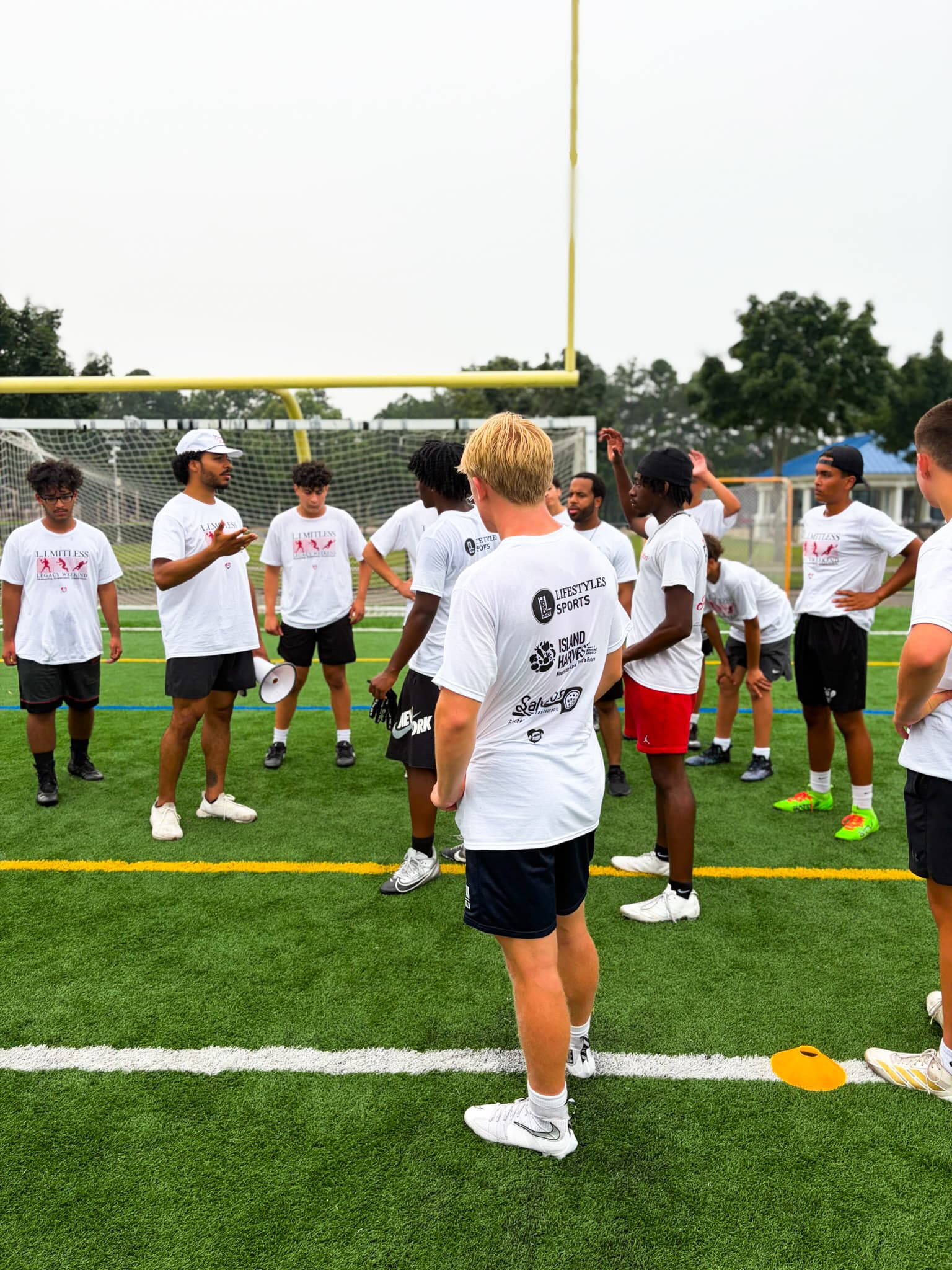
At The L.I.MITLESS Foundation, we believe that youth community camps are one of the most effective settings for building life skills in young people. These structured, community-centered experiences go far beyond recreation. They create the conditions where friendship, character, and confidence grow together.
For parents and guardians searching for meaningful summer and seasonal programming, understanding how camps shape young people is essential. This article explores the specific ways youth community camps foster friendship building, develop real-world life skills, and prepare young people for long-term success.
Key Takeaways: How Youth Community Camps Build Life Skills
-
Youth community camps build life skills through structured peer interaction, teamwork, and guided mentorship experiences.
-
Friendship building at camp strengthens social confidence, emotional resilience, and a lasting sense of belonging among young people.
-
Camps develop decision-making, communication, and accountability by placing young people in real-world group scenarios.
-
The L.I.MITLESS Foundation designs camp programming around Character, Community, and Competition to deepen youth development.
-
Community-based camp environments create safe spaces where young people practice leadership and grow beyond athletics.
What Are Youth Community Camps?
Youth community camps are organized programs that bring young people together for athletic training, team-building activities, and guided personal development. They typically run during summer breaks or school holidays and are hosted by nonprofits, schools, or community organizations.
What sets community camps apart from recreational day programs is their intentional focus on character growth. Participants do not attend only for physical activity. They engage in structured group exercises, mentorship sessions, and collaborative challenges designed to build skills that carry into school, family life, and future careers.
How Do Youth Camps Build Friendship and Belonging?
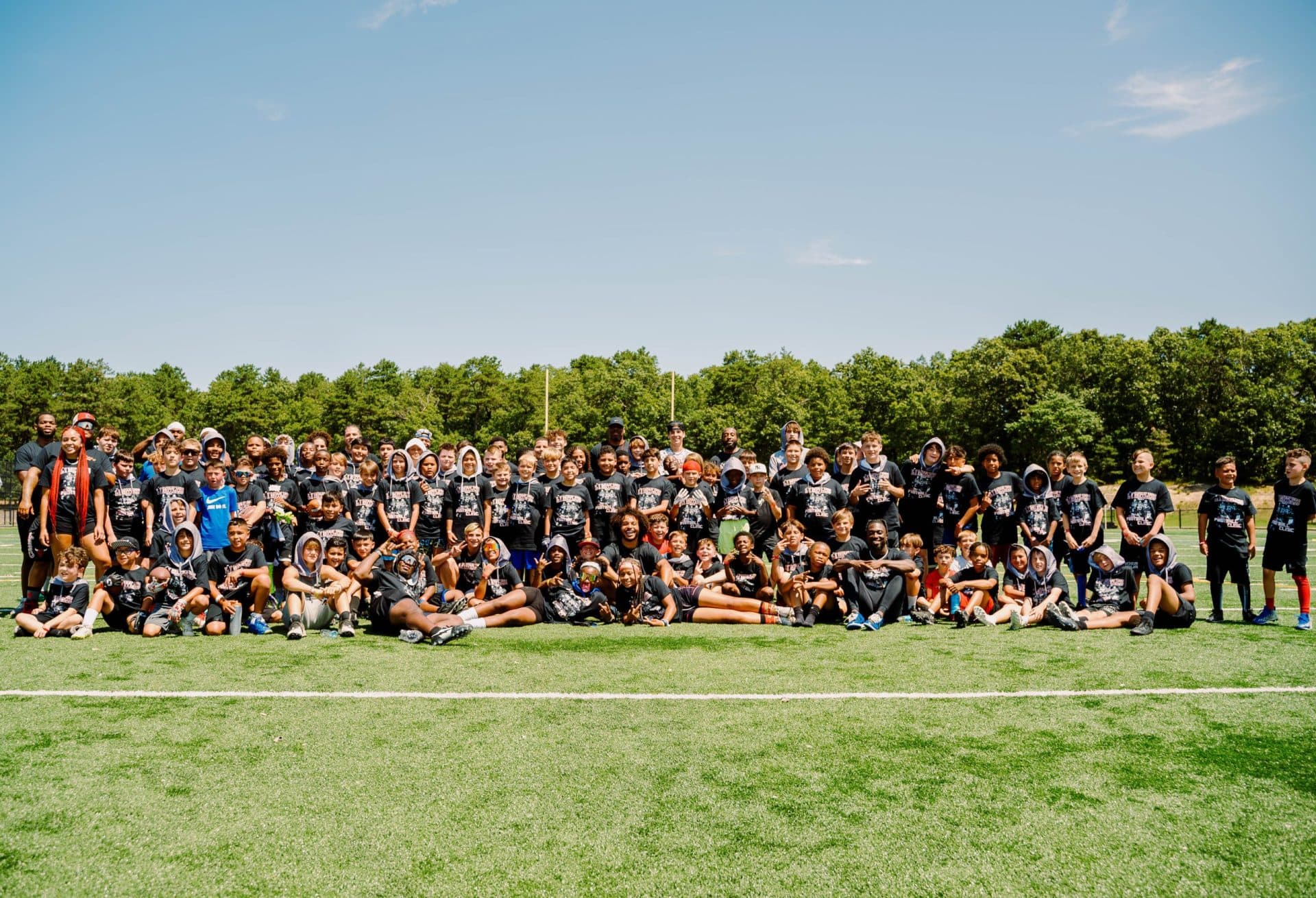
Friendship building at youth camps happens naturally when young people share goals, face challenges together, and celebrate collective progress. Camp environments remove many of the social barriers present in school settings, giving participants space to connect on shared interests and values.
When a young person arrives at camp, they enter a community where belonging is the foundation. Icebreakers, team rotations, and small-group activities give every participant a chance to form connections. These friendships often become the first place a young person experiences trust and mutual respect from peers.
Research from Harvard's Graduate School found that camp settings are a key venue for social-emotional learning, with participants reporting growth in self-esteem, independence, and friendship skills after a single camp session.
What Life Skills Do Young People Gain at Community Camps?
The life skills young people develop at community camps are not abstract concepts. They are practiced daily through real interactions. Decision-making, communication, conflict resolution, and accountability all become part of the camp rhythm when programs are designed with intention.
At The L.I.MITLESS Foundation, our work is grounded in three core pillars: Character, Community, and Competition. Each pillar serves as a framework for the skills young people build during camp programming. Character teaches discipline and integrity. Community reinforces teamwork and belonging. Competition encourages perseverance and the courage to pursue excellence.
These skills extend far beyond the playing field. A young person who learns to resolve a disagreement during a team drill carries that same skill into the classroom, their household, and their future workplace.
Why Mentorship Matters in Youth Camp Programming
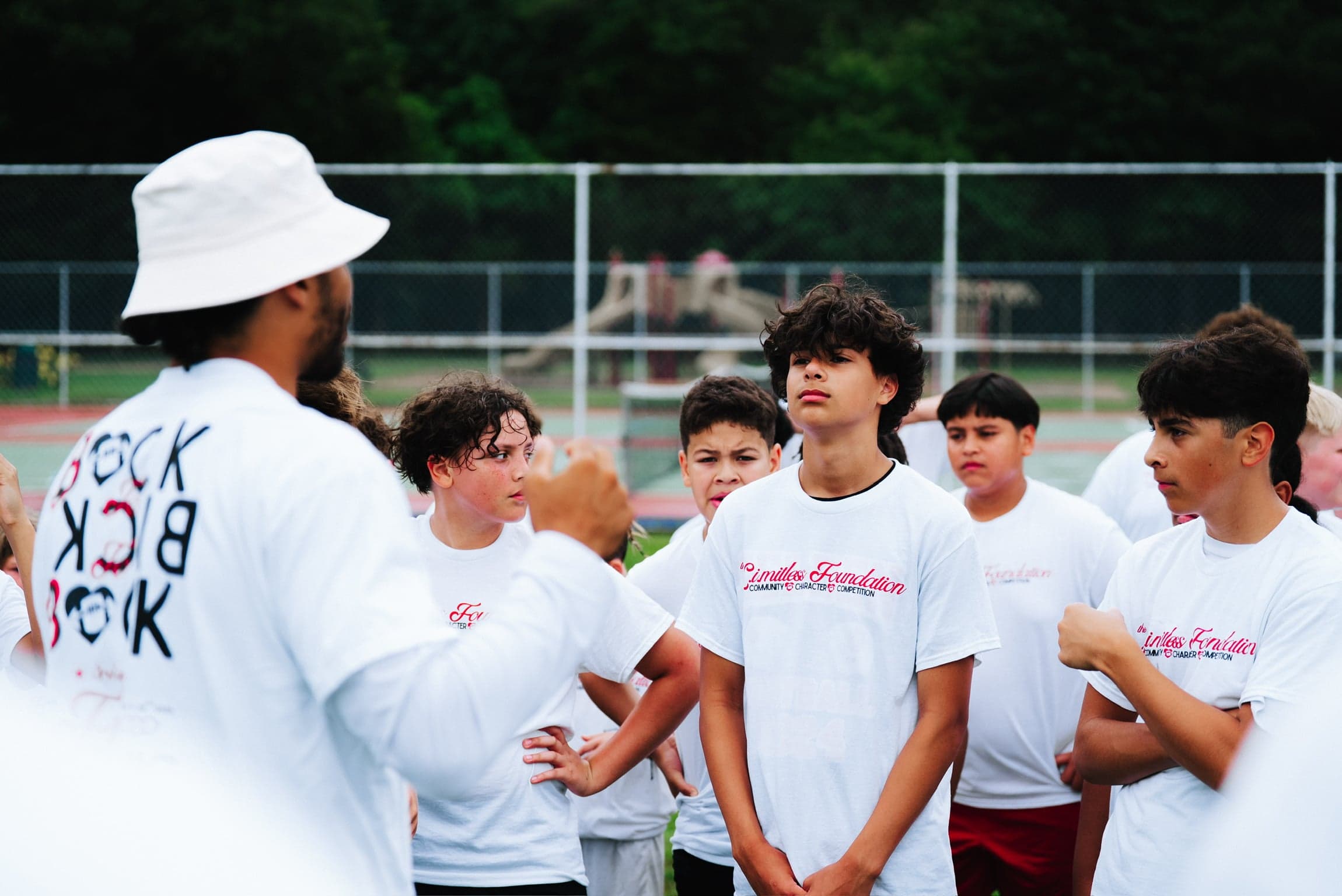
Structured mentorship programs are one of the most significant factors in effective camp design. When young people are paired with coaches and mentors who invest in their growth, the camp experience moves from recreational to developmental.
Mentors model positive behaviors like active listening, goal setting, and self-regulation. Young people observe these habits in real time and begin to practice them in their own interactions. A young person who learns accountability from a mentor is more likely to hold themselves to a higher standard.
At The L.I.MITLESS Foundation, mentorship is woven into every camp and clinic. Coaches do not focus solely on athletic performance. They invest in the full development of each participant, connecting sport to character, confidence, and community responsibility.
How Camps Support Character Development in Young People
Character development at camp is not taught through lectures. It is built through experience. When young people face a physical challenge on the field, navigate a disagreement with a teammate, or push past a personal limit, they are building the qualities that define their future: integrity, resilience, leadership, and perseverance.
The most effective youth development programs recognize that character cannot be separated from the activities young people engage in. Athletics, team-building exercises, and group discussions each serve as a platform where character is tested and strengthened. That is why camp design matters so deeply.
The Role of Competition in Youth Development at Camp
Competition at camp is often misunderstood. When guided well, it becomes one of the most powerful tools for personal growth. Healthy competition teaches young people how to set goals, accept outcomes with grace, and push themselves beyond what they thought possible.
At community camps, competition is framed as a tool for growth, not a measure of worth. Young people learn that excellence requires more than physical ability. It demands commitment, accountability, and the courage to keep going when progress feels slow.
The L.I.MITLESS Foundation frames competition as one of its three organizational pillars alongside Character and Community. Young athletes experience competition in a structured environment that reinforces sportsmanship, teamwork, and personal accountability.
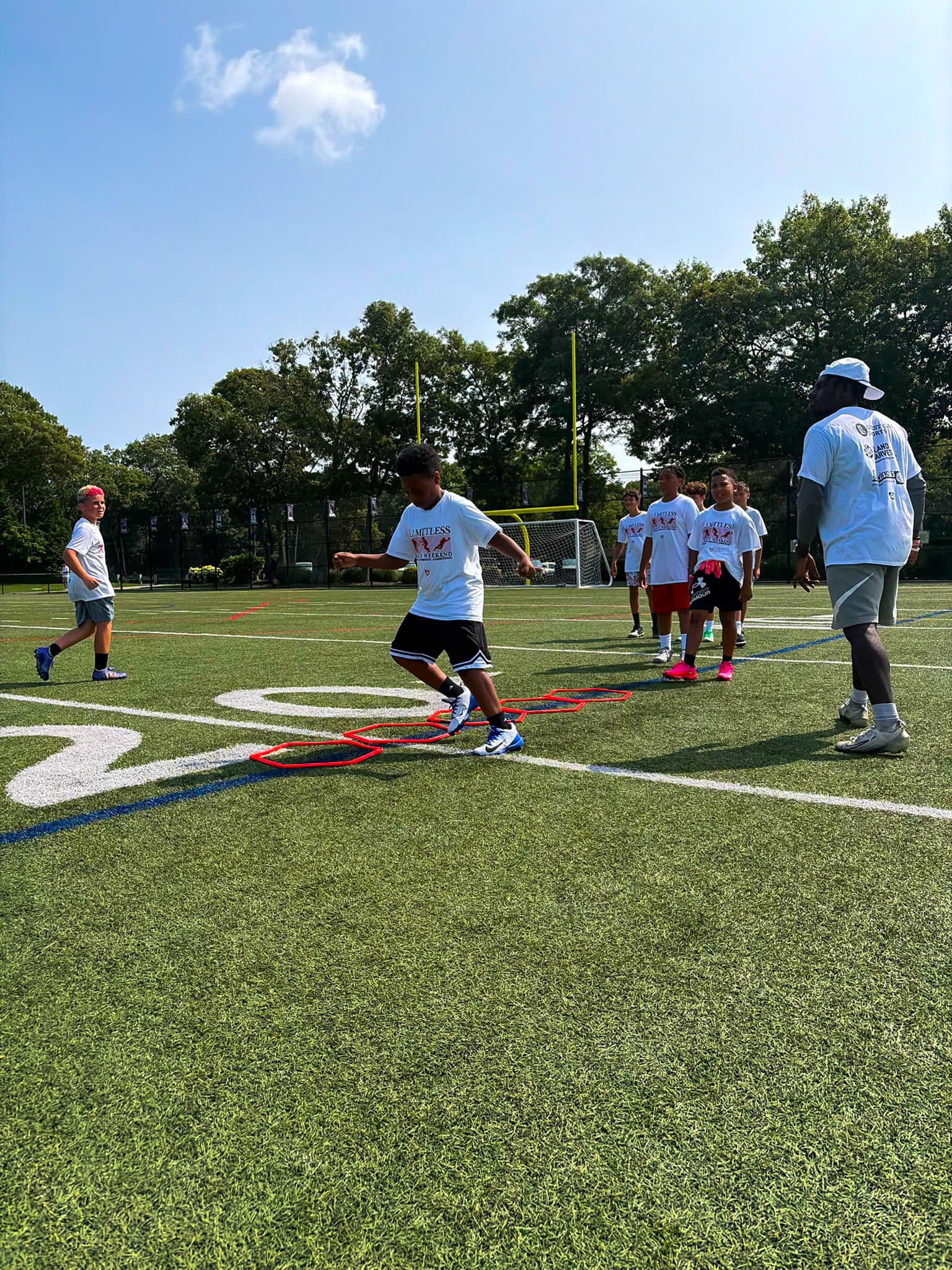
Through programs like Flag Football, participants learn to channel competitive energy into personal and collective growth on and off the field.
What Should Parents Look for in a Youth Community Camp?
As a parent or guardian, choosing the right camp means looking beyond schedules and activity lists. The strongest youth community camps are those that design every element around long-term development rather than short-term entertainment.
Look for programs that pair athletic training with character-building curriculum. Ask whether the camp assigns mentors or coaches who invest in individual growth. Evaluate how the program creates space for peer connection, reflection, and guided discussion.
At The L.I.MITLESS Foundation, our leadership development programs and annual clinics are built on this principle. Every session is structured to connect athletic activity to character outcomes, giving your young person skills they carry long after the final whistle.
In Conclusion: Investing in Youth Through Community Camps
Youth community camps are not optional extras in the lives of young people. They are essential spaces where friendship, character, and real-world skills are built through daily practice and intentional design. The results extend far beyond the playing field.
At The L.I.MITLESS Foundation, we believe every young person carries potential that deserves to be seen, supported, and developed. Our camps, clinics, and programs are designed to create the conditions where that potential becomes purpose.
Join the Mission
If you believe in building young leaders through support, opportunity, and purpose, we invite you to stand with The L.I.MITLESS Foundation. Whether through volunteering, partnership, or giving, your investment creates lasting impact for young people and families across Long Island and the Tri-State area.
Together, we can keep creating spaces where young people are supported, empowered, and reminded that their future is full of possibility.
FAQs About How Youth Community Camps Build Life Skills
What life skills do young people learn at community camps?
Young people learn decision-making, communication, teamwork, and accountability at community camps. These skills are practiced through group activities, athletic challenges, and guided mentorship sessions that carry into school and home life.
How do youth camps build friendship among participants?
Camps build friendship by placing young people in shared experiences where they work toward common goals. Team rotations, group challenges, and daily collaboration create trust and belonging. The L.I.MITLESS Foundation designs every camp session to strengthen peer relationships.
Why is mentorship important at youth community camps?
Mentorship gives young people access to positive role models who invest in their growth beyond athletics. The L.I.MITLESS Foundation pairs participants with coaches who focus on character, confidence, and leadership alongside physical training.
At what age should a young person start attending community camps?
Most youth community camps serve participants between the ages of 7 and 18. The L.I.MITLESS Foundation offers programming for school-age young people, with activities tailored to age-appropriate developmental goals and skill levels.
How do community camps differ from traditional recreation programs?
Community camps focus on structured character development, mentorship, and life skills alongside physical activity. Traditional recreation programs may center on entertainment, while community camps like those at The L.I.MITLESS Foundation connect every activity to long-term personal growth.
Enjoyed this article?
Support our mission to empower Long Island youth.