Community
How Lawmakers Can Improve Access to Youth Sports in Local Communities
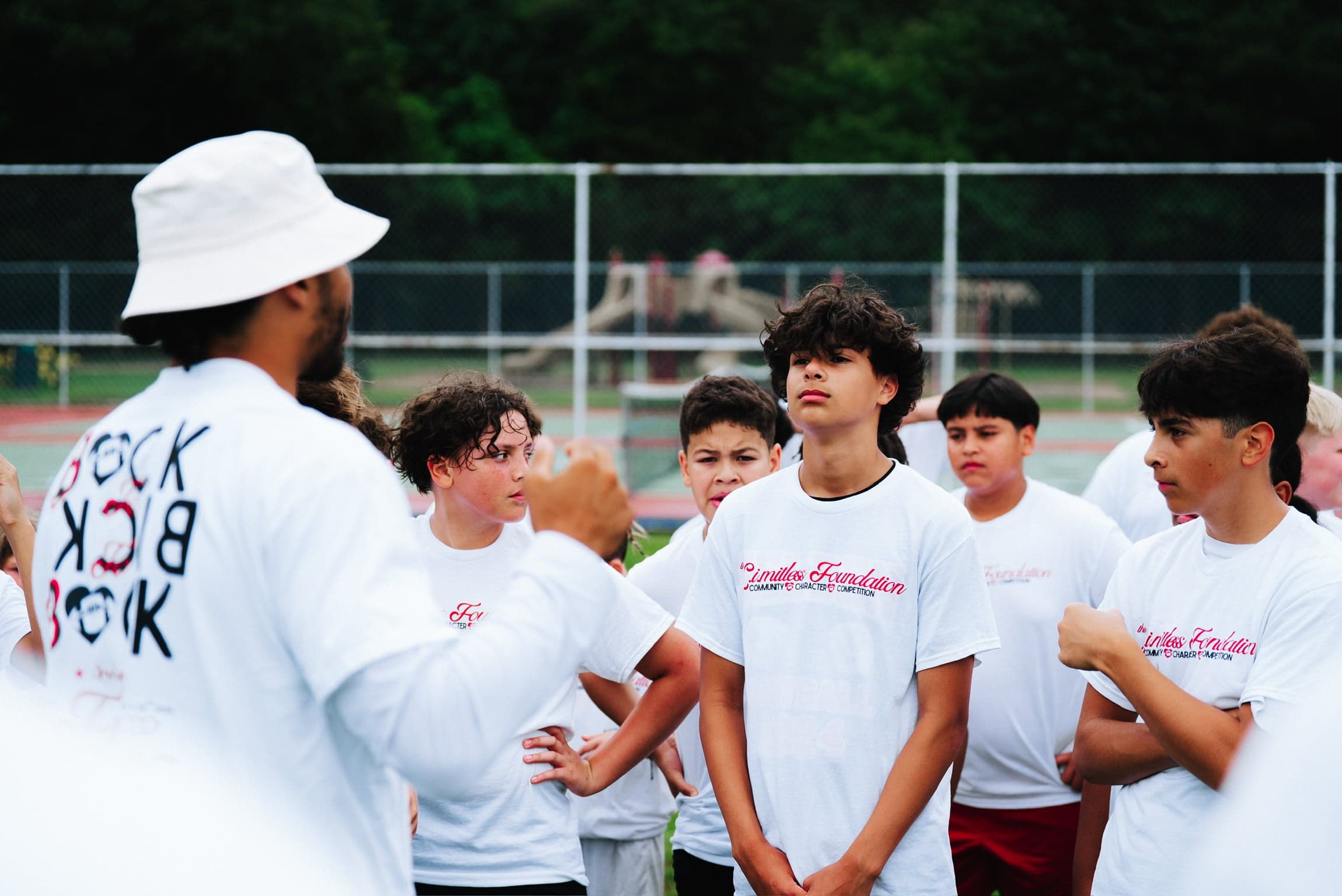
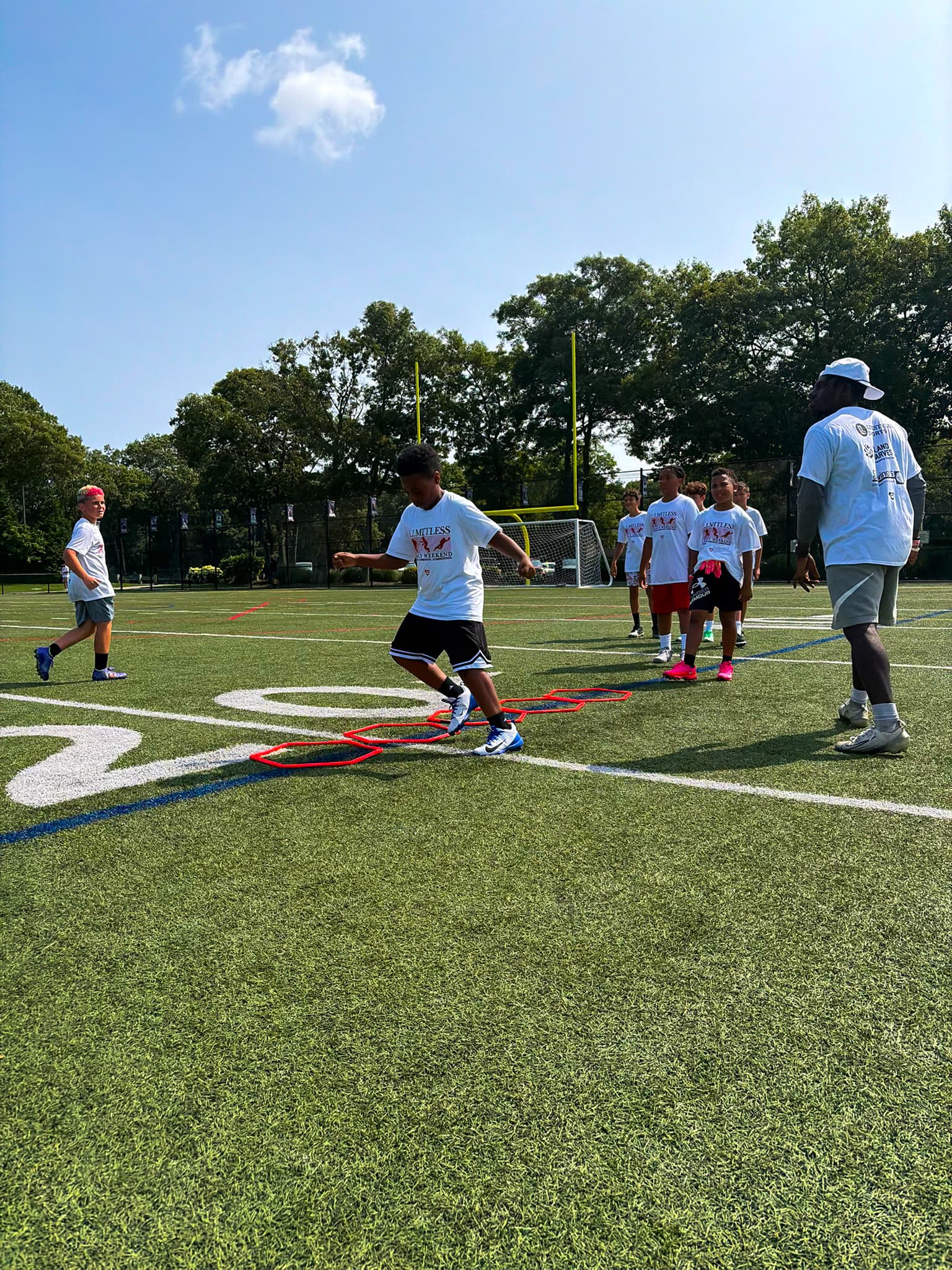
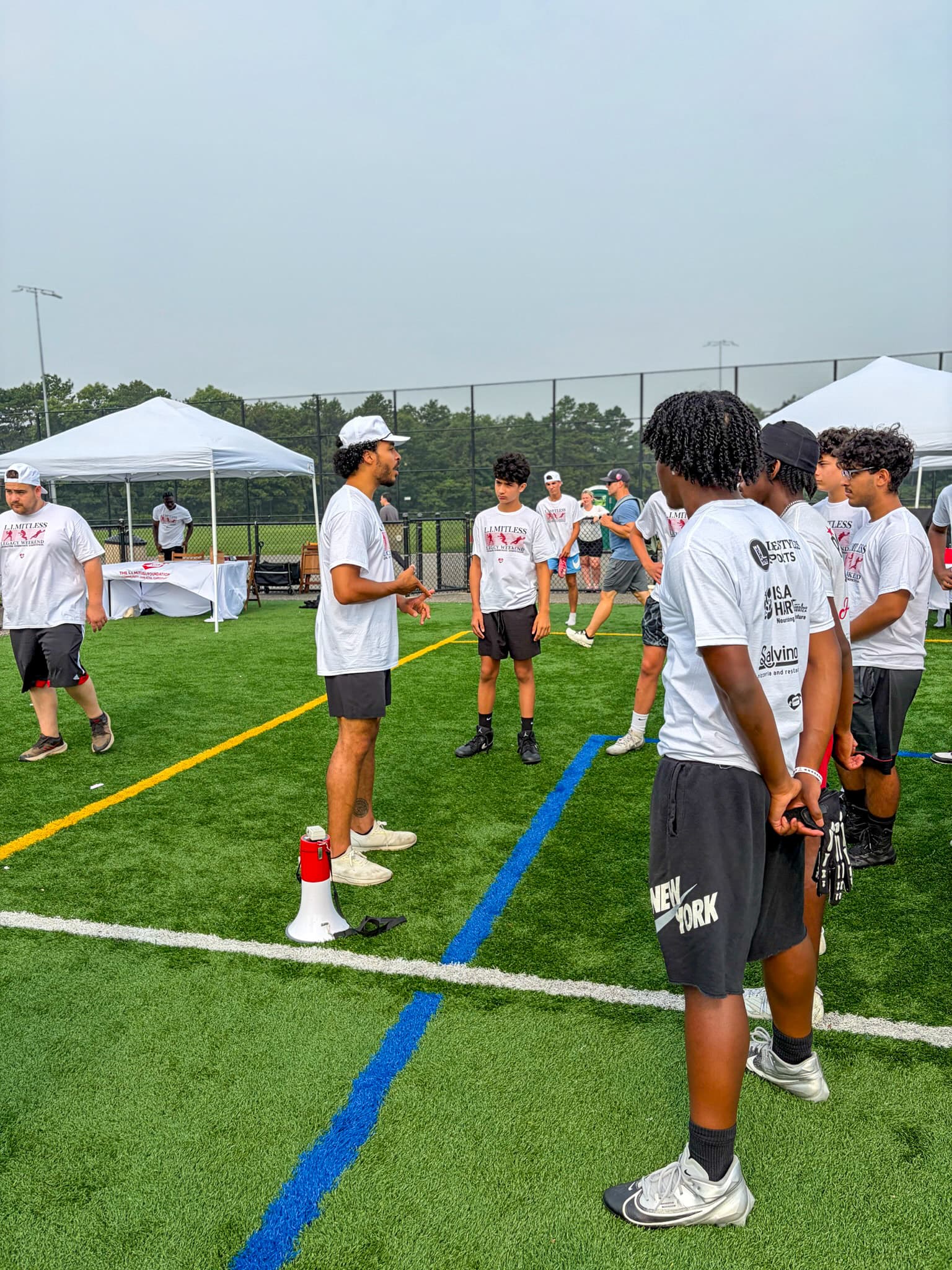
Youth sports programs are essential infrastructure that shape character, build community connections, and create pathways for young people to discover their potential—yet too many communities lack the funding and policy support needed to make these transformative opportunities accessible to all.
Why Youth Sports Access Is a Policy Priority, Not an Optional Extra
In communities facing economic strain, sports and youth development programs are not optional extras. They are essential. These programs provide structure, belonging, and discipline during formative years when young people are developing their sense of identity and purpose. When lawmakers treat athletic programs as discretionary spending rather than foundational infrastructure, they limit access to experiences that fundamentally shape character and future trajectory.
More than 46 percent of students in underserved communities qualify for governmental support because of household income levels. Many families are food insecure and heat insecure, navigating daily challenges that extend far beyond what shows up in budget discussions. For young people, these challenges shape far more than a household budget. Financial instability can influence confidence, focus, emotional well-being, academic performance, and access to opportunities that more affluent peers take for granted.
These are not distant numbers. They reflect the everyday weight many families carry in silence. Behind every statistic is a student with dreams. A family carrying unseen weight. A young leader still discovering their voice. When lawmakers prioritize youth sports access through policy and funding, they acknowledge that these programs serve as critical intervention points where potential can be recognized, developed, and directed toward purpose.
At The L.I.MITLESS Foundation, we believe athletics can help reveal and strengthen qualities that young people will carry with them far beyond the playing field. Research consistently demonstrates that youth programs incorporating structured leadership development produce significantly stronger results than recreational activities alone. Policy decisions that expand access to these evidence-based programs represent investments in community stability, economic mobility, and the development of future leaders who will shape their neighborhoods for decades to come.
Policy Mechanisms That Break Down Economic Barriers to Participation
The most significant barrier preventing youth from underserved communities from accessing sports programs remains cost. Registration fees, equipment expenses, transportation needs, and tournament participation costs create compounding financial obstacles that exclude families already navigating economic hardship. Lawmakers possess specific policy tools to address these barriers through targeted funding mechanisms that reduce or eliminate cost as a determining factor in program access.
Sliding scale fee structures supported by municipal funding allow organizations to offer tiered pricing based on demonstrated household income levels. These structures enable families to participate at rates they can sustain while ensuring programs maintain operational capacity. When local governments allocate budget specifically for youth sports subsidies, they create pathways for young people whose potential would otherwise remain undiscovered because their families cannot afford the entry point.
Equipment loan programs funded through county or state appropriations eliminate another significant participation barrier. When a young person cannot afford cleats, protective gear, or sport-specific equipment, they are excluded from the starting line regardless of their athletic ability or desire to participate. Legislative support for equipment banks and distribution programs ensures that economic circumstances do not prevent young people from showing up prepared to learn and compete.
Transportation vouchers and organized transit support address geographic and mobility barriers that disproportionately affect families in underserved areas. Youth sports programs often require evening and weekend travel to facilities that lack public transit access. Policy frameworks that fund transportation coordination between programs and participants remove this obstacle, ensuring that location does not determine access. These mechanisms work most effectively when lawmakers establish dedicated funding streams rather than requiring programs to compete annually for discretionary grants that create operational uncertainty.
Infrastructure Investment That Extends Beyond Facilities
When lawmakers discuss youth sports infrastructure, conversations frequently focus on building fields, courts, and recreation centers. These physical facilities matter significantly, but infrastructure investment must extend to the human capital and organizational capacity that transform spaces into transformative programs. Fields without qualified coaches, mentorship structures, and character development frameworks become recreational spaces rather than youth development ecosystems.
Legislative funding for coach training and certification programs builds the workforce necessary to deliver evidence-based athletic instruction combined with leadership development. The most effective programs recognize that leadership development extends far beyond the immediate activity. Coaches trained in youth development methodologies understand how to connect athletic challenges to life skills like communication, accountability, goal-setting, and conflict resolution. Policy support for ongoing professional development ensures that adults working with young people possess the competencies necessary to maximize program impact.
At The L.I.MITLESS Foundation, our work is grounded in three core pillars: Character, Community, and Competition. Lawmakers can support similar frameworks by funding organizations that integrate these elements rather than treating athletics as purely recreational. Character is at the heart of meaningful growth. It is built when young people choose discipline over distraction, perseverance over discouragement, and accountability over excuses. Community means surrounding young people with mentors, coaches, families, volunteers, and partners who believe in their potential. Competition, when properly structured, teaches young people to set goals, overcome obstacles, and persist through challenges.
Infrastructure investment must also include program evaluation systems that measure outcomes beyond participation numbers. These measurement frameworks include qualitative and quantitative data, tracking improvements in areas such as communication skills, conflict resolution abilities, goal-setting habits, academic engagement, and leadership competencies. When lawmakers require and fund outcome-based assessment, they create accountability structures that ensure public investment produces measurable transformation in the lives of young people rather than simply occupying their time.
Creating Accountability Through Outcome-Based Funding Models
Traditional funding models for youth programs often measure success through participation metrics: how many young people enrolled, how many hours of programming delivered, how many events hosted. These inputs matter, but they fail to capture whether programs actually develop the character, confidence, and capabilities that prepare young people for meaningful lives. Outcome-based funding models shift legislative focus from activities to results, creating accountability for transformation rather than simply service delivery.
Outcome-based approaches establish clear benchmarks for growth in areas such as decision-making, communication, accountability, academic performance, and leadership demonstration. Programs receiving public funding demonstrate impact by tracking individual participant progress across these domains using validated assessment tools. When young people participate in outcome-focused training, they learn to set goals, overcome obstacles, and persist through challenges—skills that prepare them for success in all areas of life, from academics to leadership to personal development.
This funding approach requires programs to articulate their theory of change: the specific mechanisms through which activities produce developmental outcomes. Organizations receiving public investment must explain how athletic participation translates to character development, how mentorship structures build confidence, and how competitive experiences foster resilience. This level of specificity ensures that lawmakers allocate resources to programs with coherent developmental frameworks rather than recreational activities masquerading as youth development initiatives.
Accountability mechanisms must include regular reporting requirements that document both successes and challenges. Transparency about what works and what requires adjustment allows lawmakers to make informed decisions about continued investment and program scaling. The most effective outcome-based models combine quantitative measures with qualitative testimonies from participants, families, and community partners who can speak to observable changes in young people's behavior, attitudes, and capabilities. That is why this work matters so deeply. When funding models emphasize outcomes, they ensure that public investment produces lasting transformation rather than temporary engagement.
Building Legislative Partnerships That Support Youth Development Organizations
Youth development organizations possess frontline expertise about community needs, program effectiveness, and implementation challenges that lawmakers rarely encounter in their daily work. Building genuine legislative partnerships means creating structured channels for organizations to inform policy development, share operational realities, and contribute to funding decisions that directly affect their capacity to serve young people. These partnerships transform youth sports policy from top-down mandates into collaborative frameworks grounded in community knowledge.
Legislative advisory councils that include youth development practitioners ensure that policy proposals reflect implementation realities. Organizations working directly with underserved communities understand which barriers prevent participation, which program elements produce transformation, and which funding structures enable sustainability. When lawmakers consult these experts during policy design rather than after implementation challenges emerge, they create more effective legislation from inception.
Multi-year funding commitments provide the operational stability necessary for organizations to build comprehensive programs rather than responding to annual appropriation cycles. Youth development requires sustained relationship-building between mentors and participants, consistent program delivery that allows skills to compound over time, and organizational capacity to recruit and retain qualified staff. Single-year grants force organizations into perpetual fundraising mode that diverts energy from program delivery and prevents long-term planning necessary for maximum impact.
At The L.I.MITLESS Foundation, community means recognizing that true impact is not created by individuals working in isolation, but by people coming together with a shared commitment to the next generation. Legislative partnerships embody this principle by positioning lawmakers as invested collaborators rather than distant funders. Regular convenings between legislators and youth development organizations create opportunities to celebrate successes, address emerging challenges, and adjust policies based on evolving community needs. These relationships ensure that youth sports policy remains responsive, evidence-informed, and genuinely supportive of the organizations doing the transformative work on the ground.
The work of building stronger youth, stronger families, and stronger communities cannot happen through legislation alone. It requires lawmakers who view youth development as essential infrastructure worthy of sustained investment, policy frameworks that remove economic and systemic barriers to participation, and genuine partnerships between government and the organizations serving young people every day. When these elements align, communities create environments where every young person can access programs that reveal their potential and help them develop into confident, purpose-driven leaders.
Enjoyed this article?
Support our mission to empower Long Island youth.