Community
Step-by-Step Guide For Parents To Find Youth Sports Scholarships And Financial Aid For Clinics And Enrichment Programs
Financial barriers should never prevent young people from accessing the athletic programs and leadership development opportunities that help them discover their potential and build character that lasts far beyond the playing field.
Understanding The True Cost Of Youth Athletic Development And Why Financial Aid Matters
Many families face difficult decisions when registration fees, equipment costs, and travel expenses create barriers between their children and the transformative experiences that athletics provide. These costs represent more than budget line items. They represent opportunities for young people to develop discipline, resilience, and leadership skills that shape their futures.
At The L.I.MITLESS Foundation, we believe potential exists in every young person, even when circumstances try to say otherwise. Financial constraints should not determine which children gain access to structured programs that build character, create community connections, and teach life lessons through competition and teamwork. In communities facing economic strain, sports and youth development programs are not optional extras. They are essential pathways that help young people discover who they are and what they can become.
Understanding the full scope of youth sports costs helps families plan strategically and identify the specific types of financial assistance that match their needs. Registration fees, equipment, uniforms, facility costs, coaching fees, and travel expenses all contribute to the total investment required for participation. When families understand these categories, they can target scholarship opportunities and aid programs designed to address specific financial barriers. This strategic approach increases the likelihood of securing comprehensive support rather than partial assistance that leaves gaps.
That is why knowing how to navigate scholarship opportunities and financial aid resources becomes essential for families who want to invest in their children's development but face economic challenges that make full-cost participation difficult or impossible. These resources exist because communities recognize that athletic programs serve as platforms for comprehensive youth development. When young people participate in structured athletic programs, they gain more than physical skills. They gain confidence, purpose, and connection to a community that believes in their potential.
Researching Local And National Scholarship Programs That Support Youth Athletes
Families can begin their search by identifying organizations within their immediate community that prioritize youth development and athletic access. Local nonprofit foundations, community centers, schools, and municipal recreation departments often maintain scholarship funds specifically designed to reduce barriers for families facing financial hardship. These local programs understand the specific economic context of their communities and structure their support accordingly. They represent the first tier of investigation because they are accessible, responsive to local needs, and often have simplified application processes compared to national programs.
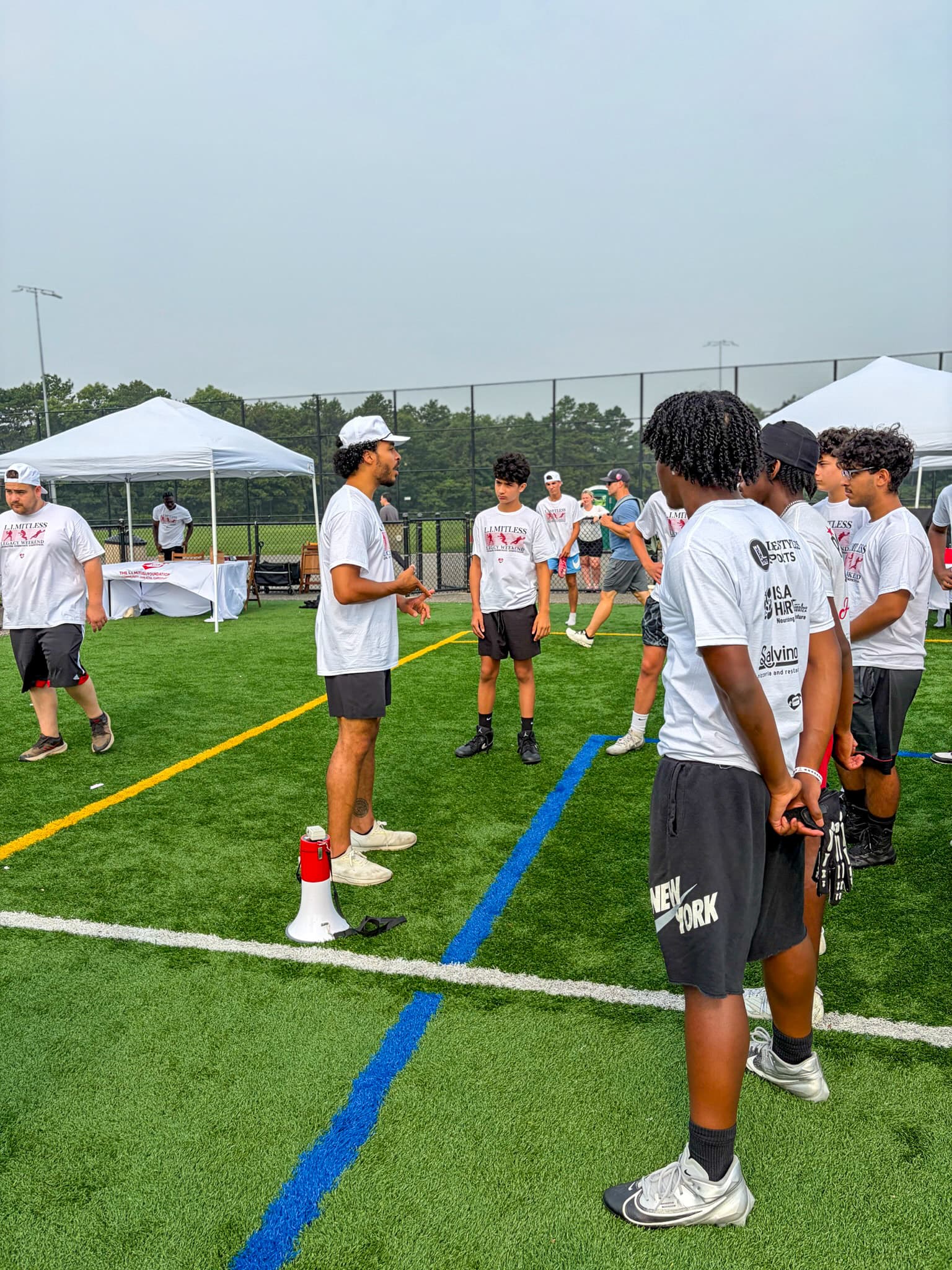
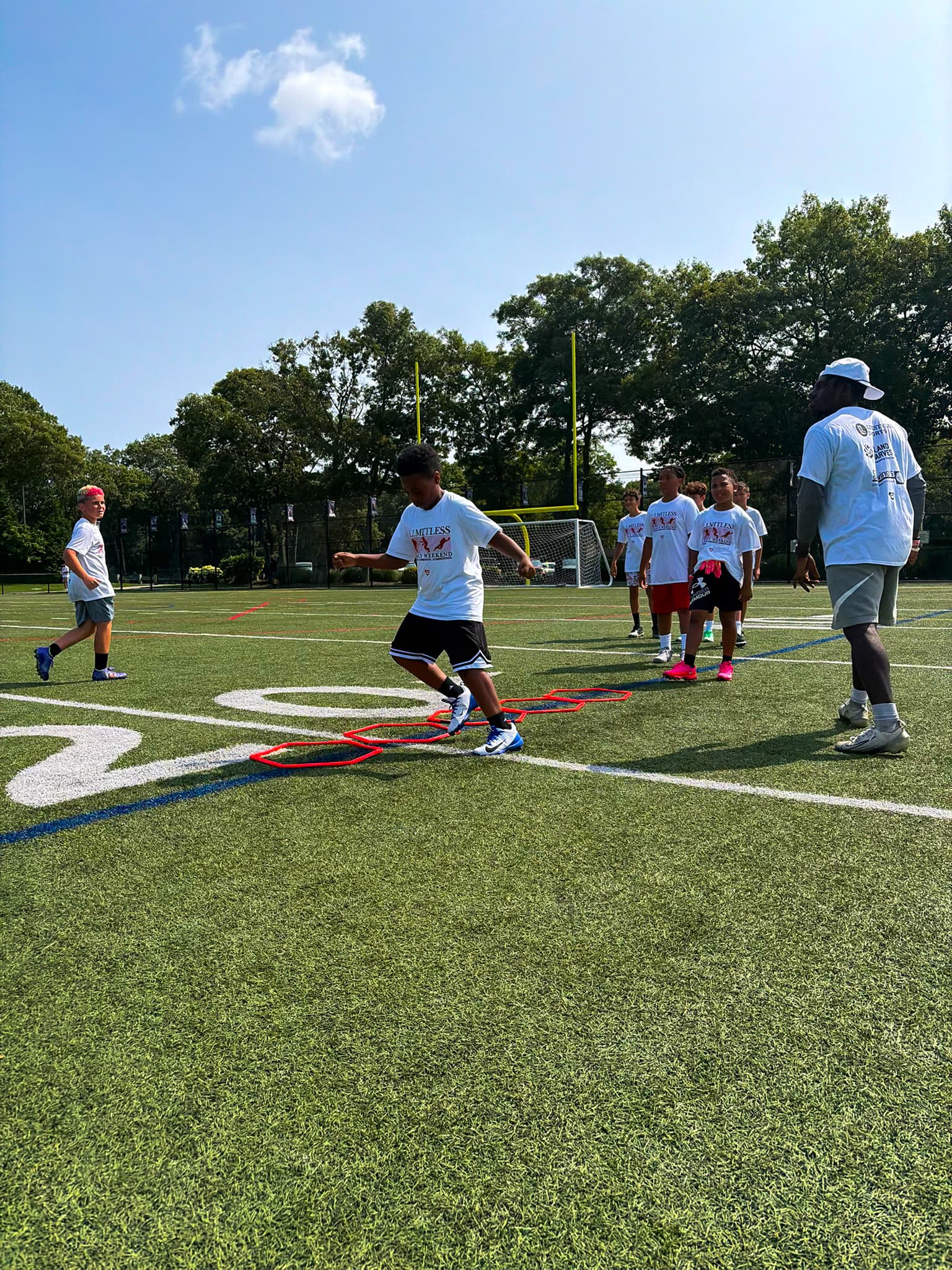
At The L.I.MITLESS Foundation, our annual summer youth clinic provides one example of how community-focused organizations structure support. Charitable contributions allow children to participate in programs that combine athletic training with mentorship and character-building experiences, regardless of household income levels. This model demonstrates how local organizations create pathways for young people to access transformative experiences when financial constraints would otherwise prevent participation. Families should research similar community-based organizations in their area that share this commitment to equitable access.
National organizations also offer scholarship opportunities for youth athletes across different sports and age groups. Research sports-specific foundations, youth development nonprofits, and corporate-sponsored programs that align with your child's interests and developmental stage. These programs often require applications that include family financial information, student essays, coach recommendations, and participation commitments. National programs typically offer larger award amounts but face higher competition levels and more complex application requirements. The investment in thorough applications often yields significant returns when families receive substantial financial support.
Create a comprehensive list of potential scholarship sources by consulting school guidance counselors, reaching out to local sports leagues, connecting with community nonprofit organizations, and searching online databases that aggregate youth sports financial aid opportunities. Document application deadlines, eligibility requirements, award amounts, and any participation obligations associated with each program. This systematic approach ensures families do not miss opportunities due to overlooked deadlines or incomplete information. Maintaining organized records also allows families to track multiple applications simultaneously and follow up appropriately with each organization.
Navigating Application Requirements And Building Strong Scholarship Submissions
Successful scholarship applications require careful attention to stated requirements and authentic representation of your family's circumstances and your child's commitment to growth through athletics. Begin by gathering all necessary documentation, including proof of income, household financial information, academic records, and any supporting materials specified by the program. Completing this preparation before beginning applications reduces stress and ensures accuracy. Organizations review financial documentation to verify need and allocate resources to families who genuinely face economic barriers to participation.
When applications require written statements or essays, focus on conveying your child's genuine interest in athletic participation, their willingness to embrace challenges, and how the opportunity would contribute to their character development and leadership growth. Avoid generic statements. Instead, provide specific examples that demonstrate your child's dedication, resilience, and capacity to benefit from structured athletic programs. Selection committees review numerous applications and recognize authentic commitment when families describe specific instances of perseverance, goal-setting, or growth through previous athletic experiences. These concrete details distinguish strong applications from generic submissions that rely on broad claims without supporting evidence.
Letters of recommendation carry significant weight in scholarship decisions. Request letters from coaches, teachers, mentors, or community leaders who can speak authentically about your child's work ethic, character, and potential for growth. Provide recommenders with adequate time and context about the program so they can write detailed, specific endorsements. Strong recommendation letters include concrete examples of how the young person has demonstrated leadership, overcome obstacles, or contributed positively to team environments. These letters validate the claims families make in their applications and provide independent verification of character qualities and commitment levels.
Submit applications well before stated deadlines, ensuring all required materials are complete and formatted according to guidelines. Follow up with program administrators to confirm receipt of your application and inquire about decision timelines. Treat each application as an opportunity to advocate for your child's access to transformative experiences that build confidence and character. This professional approach demonstrates the seriousness with which your family views the opportunity and your understanding that scholarship funding represents an investment in your child's development. Organizations appreciate families who respect the application process and communicate professionally throughout the review period.
Exploring Alternative Funding Sources Including Payment Plans And Community Support Networks
Beyond traditional scholarships, families can access youth sports programs through payment plans that distribute costs across multiple installments, making participation more manageable within monthly budgets. Many organizations offer flexible payment structures that reduce the immediate financial burden while maintaining program access. These arrangements recognize that families may have stable income streams that nonetheless do not allow for large upfront payments. When families inquire about payment options, they should ask about interest charges, minimum payment amounts, and consequences for missed payments to ensure they can fulfill commitments without creating additional financial stress.
Community fundraising represents another pathway for families to secure financial support. Approach local businesses, faith communities, civic organizations, and family networks about sponsorship opportunities. Many community members and organizations are willing to invest in youth development when they understand how athletic programs contribute to character building and leadership growth. Families can create simple sponsorship proposals that explain their child's interest in participation, the program's structure and benefits, and the specific financial support needed. This direct approach builds community connections while addressing financial needs, creating relationships that extend beyond single-season support.
Some programs offer volunteer exchange opportunities where families can reduce participation costs by contributing time and service to the organization. These arrangements create mutual benefit by reducing program expenses while allowing families to participate actively in the community that supports their children. Volunteer exchanges might include assisting with event setup, providing administrative support, coaching assistance, or facility maintenance. Families should discuss volunteer exchange policies early in the registration process to understand expectations, time commitments, and the financial value assigned to volunteer hours.
Consider establishing relationships with multiple funding sources rather than relying on a single scholarship or aid program. Combining partial scholarships, payment plans, community sponsorships, and volunteer exchanges can create a comprehensive financial strategy that makes consistent athletic participation achievable across multiple seasons and years. This diversified approach reduces dependence on any single funding source and increases stability. When families build relationships with multiple supporters, they create resilient networks that can adapt when individual funding sources change or become unavailable.
Investing In Programs That Develop Character And Leadership Far Beyond Athletic Skills
As families evaluate financial aid opportunities, prioritize programs that view athletics as a platform for comprehensive youth development rather than an end goal. The most effective programs recognize that leadership development extends far beyond the immediate activity, creating environments where young people build qualities they carry into academics, relationships, and future opportunities. These programs structure experiences that intentionally teach decision-making, accountability, goal-setting, and resilience through athletic participation. Families should ask program administrators about mentorship components, leadership training elements, and character development frameworks before committing time and resources.
At The L.I.MITLESS Foundation, our work is grounded in three core pillars: Character, Community, and Competition. Programs structured around these elements teach young people to set goals, overcome obstacles, persist through challenges, and develop the discipline and accountability that prepare them for success in all areas of life. Character development focuses on building internal qualities that last. Community creates networks of support that surround young people with belief and encouragement. Competition provides healthy challenges that reveal capacity and build confidence through achievement. Together, these pillars form a comprehensive framework for youth development that uses athletics as the vehicle for transformation.
When young people participate in outcome-focused programs that incorporate mentorship from experienced coaches and structured leadership training, they gain more than athletic skills. They gain confidence, purpose, and connection to a community that believes in their potential. These outcomes represent the true value of youth sports programs and justify the investment families and communities make. Research consistently demonstrates that youth programs incorporating structured leadership development produce significantly stronger results in areas such as academic performance, social connection, conflict resolution abilities, and long-term goal achievement. These benefits extend years beyond program participation, shaping how young people approach challenges and opportunities throughout their lives.
Financial aid removes barriers so that more young people can access these transformative experiences. Whether through scholarships, payment assistance, or community support networks, every pathway that connects a young person to quality athletic programming represents an investment in their character development and future leadership capacity. If you believe in building young leaders through support, opportunity, and purpose, we invite you to stand with The L.I.MITLESS Foundation. Whether through volunteering, partnership, or giving, your support helps create the kind of lasting impact that transforms potential into purpose. Together, we can continue creating spaces where young people are supported, empowered, and reminded that their future is full of possibility.
Enjoyed this article?
Support our mission to empower Long Island youth.