Community
A Parent's Guide to Youth Flag Football Programs
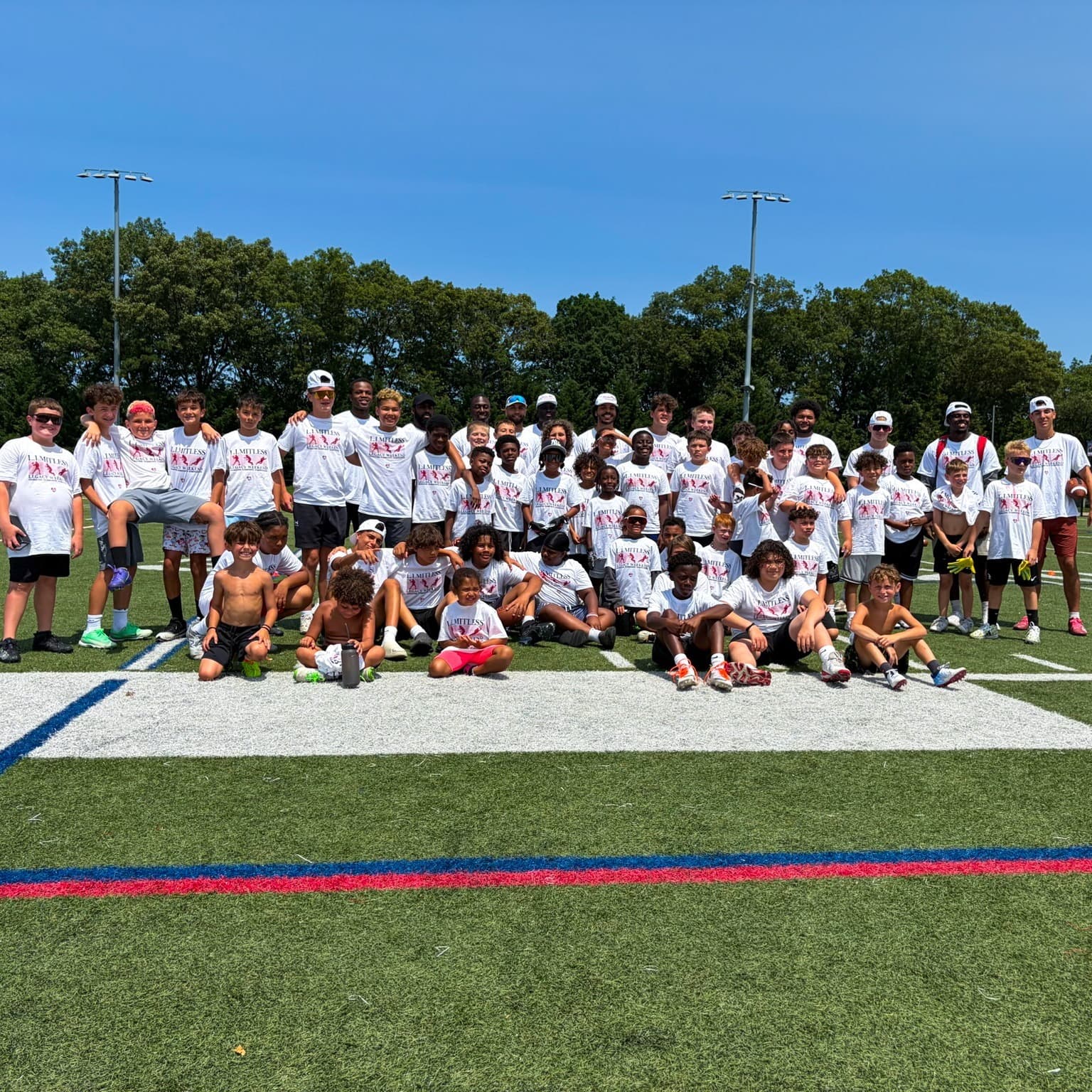
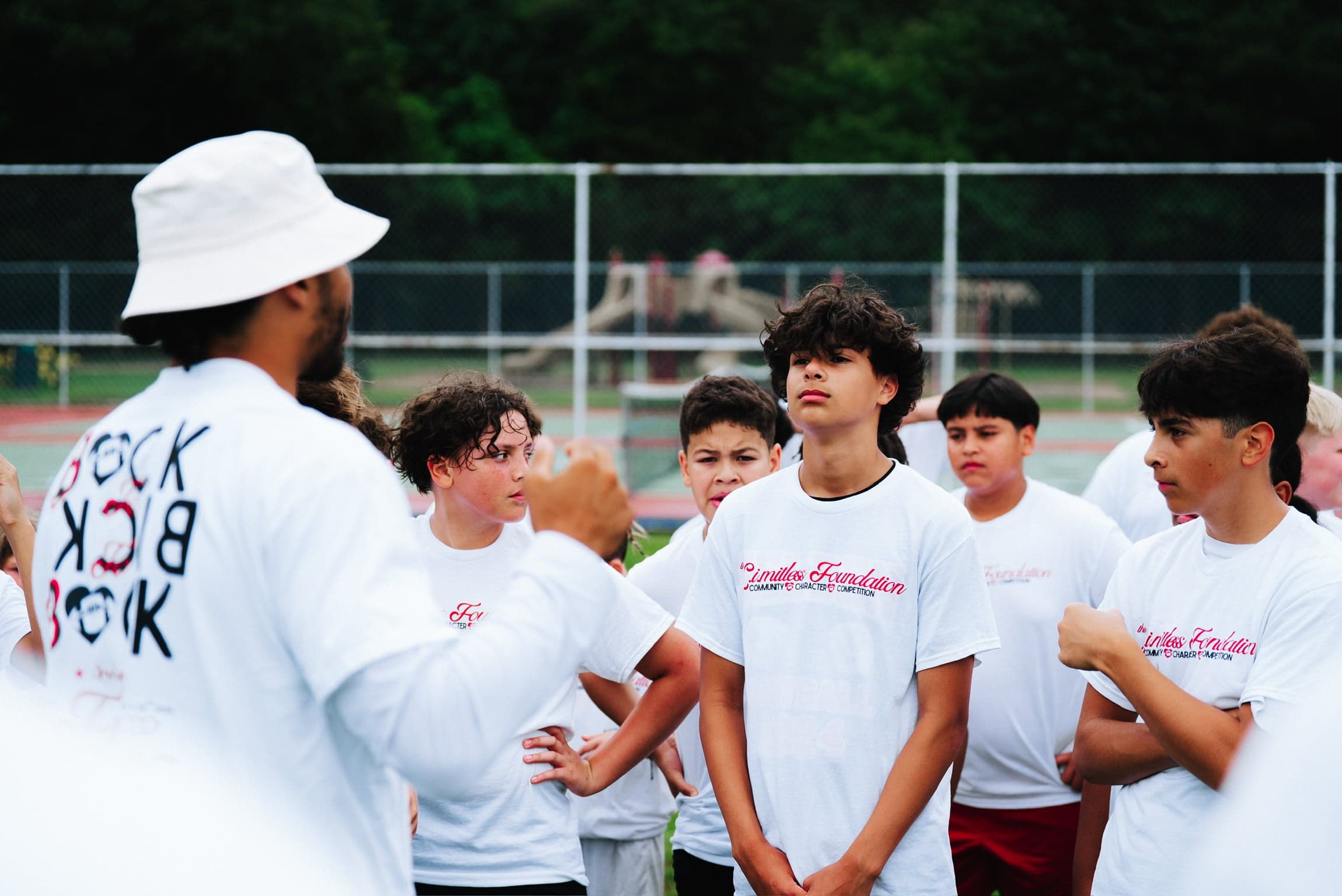
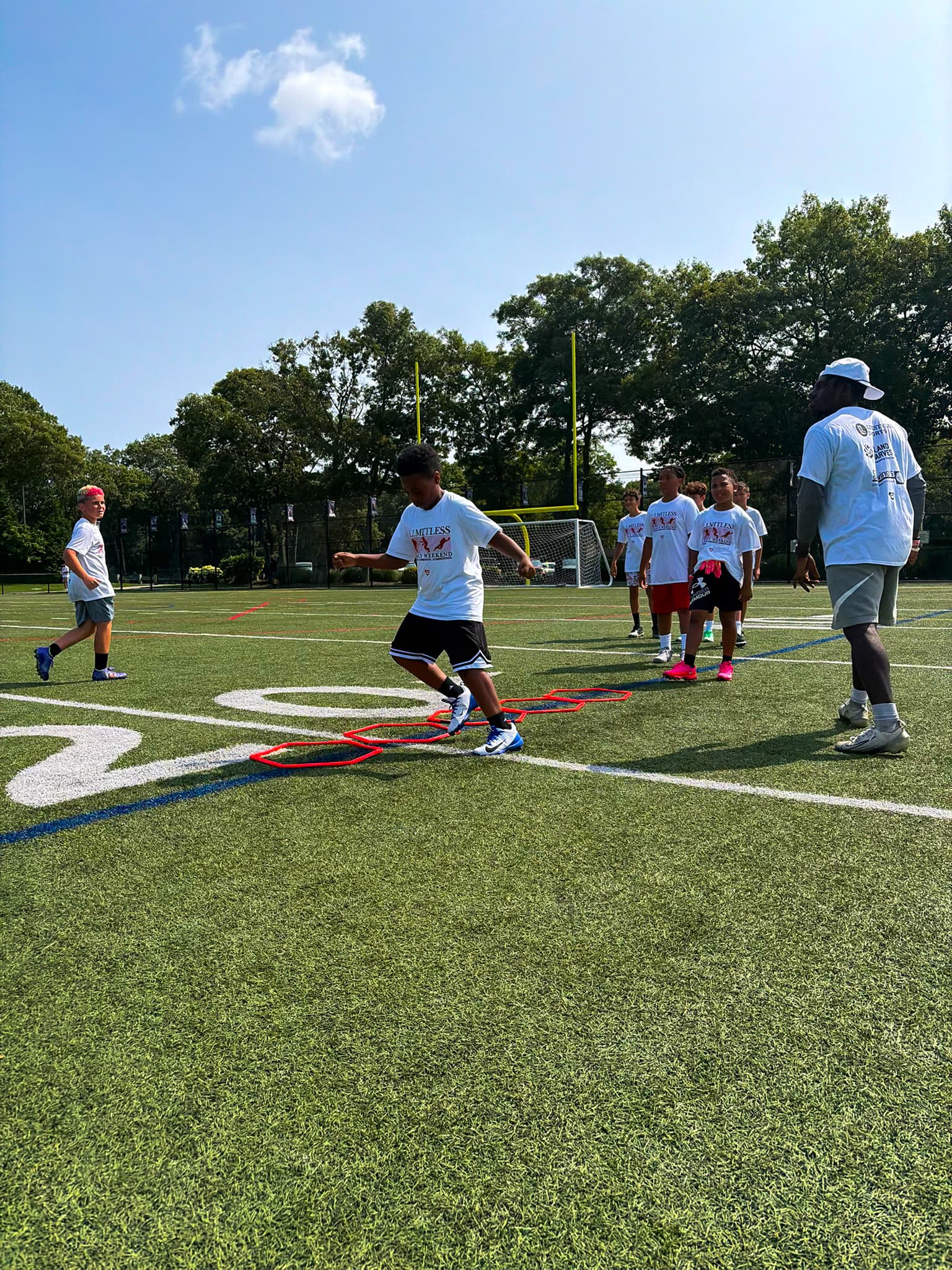
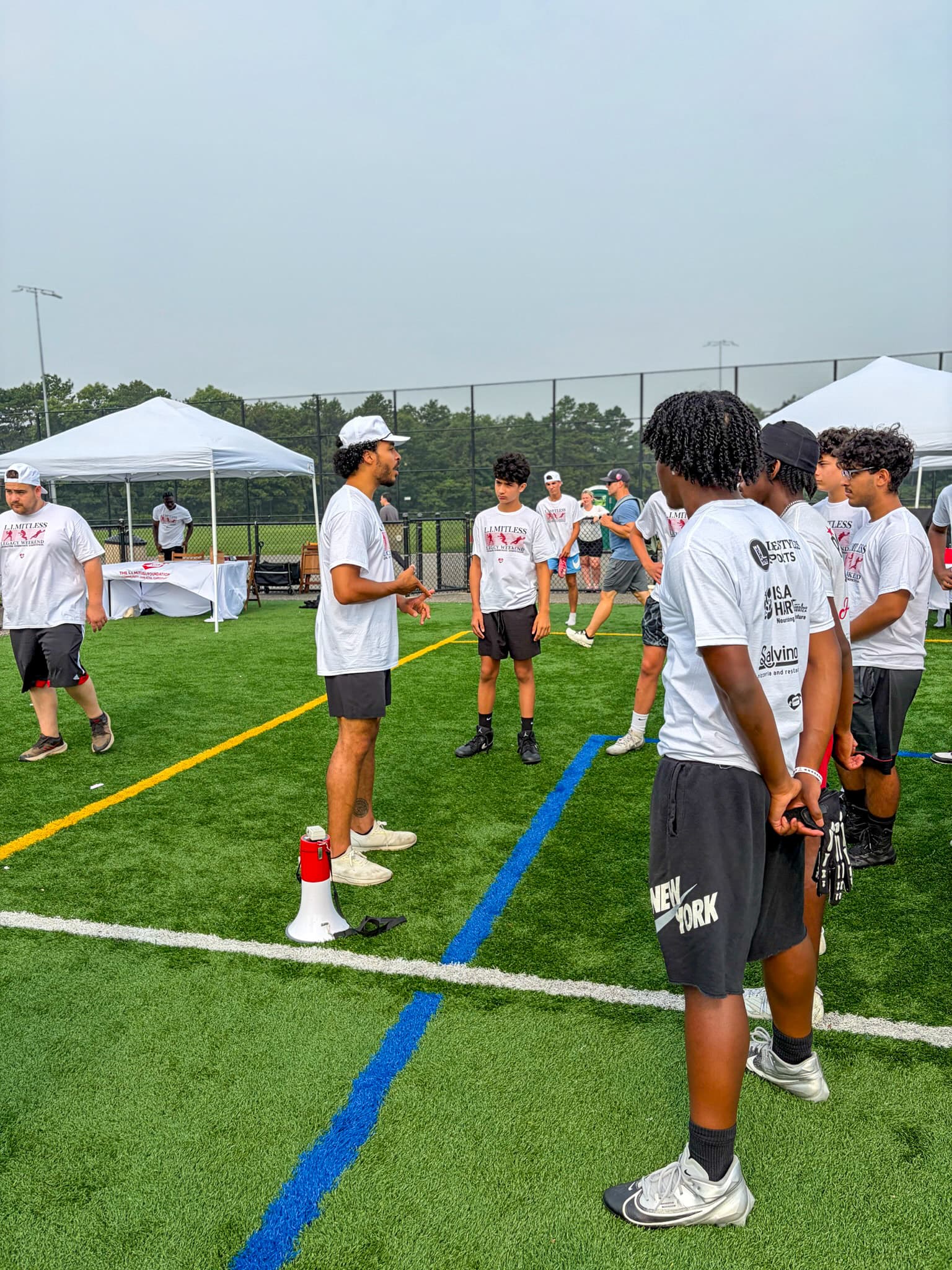
At The L.I.MITLESS Foundation, we believe every young person deserves the opportunity to grow, lead, and thrive through athletics. For families across Long Island and the Tri-State area, youth flag football programs offer one of the most accessible pathways to building confidence, resilience, and character in young athletes. This guide walks you through everything you need to know about choosing a program that prioritizes your young person's development on and off the field.
Key Takeaways: A Parent's Guide to Youth Flag Football Programs
-
Youth flag football programs develop confidence, resilience, and character through structured athletic experiences that extend far beyond the playing field.
-
Evaluating coaching philosophy, safety practices, and character development integration separates effective programs from purely recreational leagues.
-
The L.I.MITLESS Foundation builds its youth flag football programming around three pillars: Character, Community, and Competition.
-
Programs that prioritize mentorship and personal growth produce stronger long-term outcomes in self-esteem, belonging, and leadership skills.
-
Parents play an essential role in reinforcing at home the lessons young athletes learn through flag football participation.
Why Youth Flag Football Is Growing Across the Country
Flag football is one of the fastest-growing youth sports in the world. According to the Children's Hospital of Philadelphia, more than 20 million people across 100 countries now participate in some form of the sport. In the United States, participation among young athletes has increased significantly, driven by lower equipment costs, reduced injury risk, and the sport's upcoming Olympic debut at the 2028 Los Angeles Games.
For parents and guardians evaluating athletic programs for their families, this growth means more options than ever. Yet not every program delivers the same experience. Understanding what separates a quality youth flag football program from a purely recreational league is essential for families who want athletics to serve as a platform for lasting personal development.
What Makes Youth Flag Football Different from Tackle Football?
Flag football removes tackling and replaces it with flag-pulling to stop the ball carrier. This format reduces high-impact collisions and allows young athletes to focus on skill development, decision-making, and teamwork rather than physical dominance.
Research from the American Journal of Sports Medicine has shown that flag football involves fewer head impacts than traditional tackle football. This lower-contact format appeals to families who want their young people engaged in competitive athletics with a reduced injury risk.
The sport still demands quick thinking, coordination, and communication. Players must read defenses, execute precise routes, and make split-second decisions. These cognitive demands build mental sharpness that carries into academics and everyday life.
How Flag Football Builds Confidence in Young Athletes
Confidence develops through repeated experiences of effort, risk, and accomplishment. Every flag football practice and game creates dozens of these micro-moments. A young athlete completes a pass under pressure, calls a play in the huddle, or pulls a flag at a crucial moment. Each experience deposits into a growing reserve of self-belief.
A 2025 study published in the Journal of Sport for Development found that sport-based positive youth development programs significantly increased self-esteem among adolescent participants. The structured nature of athletics, combined with mentorship and goal-setting, created environments where young people evaluated themselves more positively over time.
At The L.I.MITLESS Foundation, confidence-building is woven into every aspect of the L.I.MITLESS Youth Nation Flag Football Program. Coaches focus on effort and personal growth rather than outcomes alone, ensuring that every young athlete develops belief in their own potential.
How Flag Football Develops Resilience and Character
Every game includes dropped passes, missed assignments, and plays that do not work as designed. These moments become lessons in resilience. Young athletes learn to recover, refocus, and apply what they learned to the next opportunity.
The Journal of Sport for Development study also found that sport-based programs fostered a stronger sense of belonging among participants compared to traditional school settings. When young people feel connected to a team and supported by mentors, they develop the emotional resources to navigate setbacks both on and off the field.
Character development in flag football happens when coaches intentionally teach life skills alongside athletic skills. Programs that connect perseverance on the field to perseverance in school, discipline in training to discipline in daily habits, and teamwork in a huddle to cooperation at home produce young people who carry those qualities into every area of life.
What to Look for in a Youth Flag Football Program's Coaching Staff
The quality of coaching determines whether a program develops character or simply fills time. Parents should ask about coach training, certifications, and the program's philosophy on youth development. Coaches trained in positive youth development practices create environments where mistakes become teaching moments rather than sources of shame.
Look for programs where coaches demonstrate clear communication with families, use positive reinforcement as their primary feedback method, and model the values they expect from young athletes. The ratio of coaches to players also matters. Smaller groups allow for more individualized attention and stronger mentor relationships.
At The L.I.MITLESS Foundation, coaches and mentors receive specific training in youth development practices grounded in the Foundation's three pillars of Character, Community, and Competition. This intentional approach ensures that every interaction on the field serves a larger developmental purpose.
How to Evaluate a Program's Approach to Competition
Healthy competition is an essential tool for growth when balanced with character development. Parents should look for programs that frame competition as a context for personal improvement rather than an end goal in itself. Young athletes learn valuable lessons about preparation, effort, and accepting outcomes they cannot control.
Ask whether the program ensures equal playing time for all participants. Programs that bench less-skilled players to win games miss the developmental purpose of youth athletics entirely. Every young person should participate meaningfully in every practice and game, regardless of current ability level.
Quality programs also teach young athletes how to win graciously and respond to losses with dignity. These lessons in emotional regulation and sportsmanship transfer directly into how young people handle academic challenges, social situations, and professional settings later in life.
Why Character Development Should Be Part of Every Practice
Athletics alone do not automatically build character. Programs that produce lasting personal growth integrate character education intentionally into their curriculum. This means dedicating time in every session to discussing values like integrity, accountability, and service to others.
The L.I.MITLESS Foundation grounds its programming in three core pillars: Character, Community, and Competition. Each practice session and event connects athletic activity back to these values, ensuring that young athletes understand the deeper purpose behind their participation. The Foundation's Playbook curriculum includes 14 modules that teach these values through structured, experiential activities.
Research consistently demonstrates that youth programs incorporating structured leadership development produce stronger results than programs focused on athletics alone. The most effective programs recognize that the playing field is a platform, and the true outcome is the development of strong, confident, and purpose-driven young people who carry those qualities far beyond the playing field.
How to Assess Safety Standards in Youth Flag Football
While flag football carries a lower injury risk than tackle football, safety standards still matter. Parents should ask about the program's warm-up protocols, hydration policies, and procedures for handling injuries during practices and games.
Field conditions, equipment quality, and age-appropriate rules all contribute to a safe playing environment. Programs that use properly maintained fields, require appropriate footwear, and teach safe movement techniques demonstrate a commitment to athlete well-being.
Look for programs that train coaches in recognizing signs of heat-related illness, sprains, and other common youth sports injuries. A program that prioritizes safety creates an environment where parents can feel confident about their young athlete's participation and long-term physical health.
The Role of Community in Youth Flag Football Programs
The strongest youth sports programs do not operate in isolation. They connect families to local networks, resources, and support systems that extend the benefits of athletic participation into everyday life. Community-embedded programs create belonging that goes beyond the team itself.
At The L.I.MITLESS Foundation, community means surrounding young people with mentors, coaches, families, and partners who believe in their potential. The Foundation partners with local nonprofits and schools across Long Island and the Tri-State area to create a network of support for participating families.
When families feel connected to a community of shared values, young athletes benefit from consistent encouragement and accountability across multiple settings. The lessons learned in practice are reinforced at school, at home, and in the neighborhood. This multi-layered support system ensures that growth is sustained over time.
How Mentorship Amplifies the Benefits of Flag Football
Young athletes gain more than athletic instruction when they have access to dedicated mentors. Mentors notice growth that might go unrecognized by others. They ask questions that encourage self-reflection. They model the values and behaviors that the program teaches, creating a living example of what character looks like in action.
The L.I.MITLESS Foundation's Youth Mentorship Services pair young athletes with positive role models who guide them through personal and athletic challenges. This one-on-one attention accelerates confidence-building because young people feel seen, valued, and believed in as individuals rather than as another player on the roster.
Effective mentorship in youth sports connects on-field experiences to life lessons. When a young athlete learns to communicate clearly in a huddle, a mentor draws the connection to classroom presentations and future career opportunities. When a player demonstrates accountability after a mistake, a mentor reinforces that quality as a leadership trait that will serve them for decades.
What Parents Can Do to Reinforce Confidence at Home
The work of building confident young people does not end when practice is over. Parents and guardians play an essential role in reinforcing the lessons learned through flag football. How families discuss games and practices at home shapes how young athletes process their experiences and carry those lessons forward.
Focus on effort rather than outcomes. Ask what your young athlete learned or enjoyed rather than whether their team won. Celebrate small improvements in skill, communication, and attitude. When setbacks happen, frame them as information about where to focus next rather than evidence of failure or inadequacy.
Avoid comparing your young athlete's performance to peers. Each young person develops at a different pace, and confidence grows when they feel valued for their unique contributions and progress. Your consistent encouragement becomes the foundation upon which their self-belief is built, reinforcing the positive messages they receive from coaches and mentors.
How to Choose the Right Program for Your Family's Values
Every family brings different priorities to the decision. Some families value competitive intensity. Others prioritize character education and personal growth above all else. The right program aligns with your family's values while challenging your young athlete to grow in areas that matter most to you.
Visit a practice before enrolling. Observe how coaches interact with players, how mistakes are handled, and whether every participant receives attention and encouragement. Pay attention to the energy on the field. Positive environments where young people are engaged, pushing themselves, and supporting each other indicate a healthy program culture.
Ask families already in the program about their experience. Word-of-mouth from parents whose values align with yours is one of the most reliable indicators of program quality. Look for programs that welcome questions and demonstrate transparency about their philosophy, staff training, and the outcomes their participants experience.
When Should Your Young Athlete Start Flag Football?
Many programs accept participants as young as four or five years old. At this age, the focus should be entirely on basic movement, following instructions, and positive social interaction with peers. Confidence at this stage comes from feeling welcome, having fun, and being part of a group that celebrates every small accomplishment.
As young athletes grow, the skills become more complex and the confidence-building opportunities deepen. Older participants take on leadership roles, mentor younger players, and engage with more sophisticated strategic concepts. Each developmental stage offers appropriate challenges that stretch young people beyond their current abilities.
Starting early is not required for gaining the full benefits. A young person who begins flag football at eight, ten, or even twelve years old still experiences the same opportunities for personal growth. What matters most is consistent participation in a program that prioritizes development alongside competition and creates space for every athlete to grow at their own pace.
How Flag Football Prepares Young Athletes for Life Beyond Sports
The confidence, resilience, and character built through flag football do not stay on the field. Parents frequently notice changes in how their young athletes handle academic challenges, interact with peers, and approach new situations with greater self-assurance. The skills transfer because they shape identity, not only athletic ability.
Young people who learn they can master a difficult play develop belief in their capacity to master difficult coursework. Athletes who discover they can contribute meaningfully to a team feel more confident contributing to group projects, family responsibilities, and future professional roles. These connections are not accidental. They reflect the deeper purpose of athletic participation.
At The L.I.MITLESS Foundation, this is the deepest intention behind every clinic, event, and mentorship interaction. Athletics is the platform. The true outcome is young people who carry confidence, character, and connection into every chapter of their lives, becoming leaders in their communities and beyond.
In Conclusion: How to Select a Youth Flag Football Program That Builds Character
Choosing a youth flag football program is a decision that reaches far beyond the playing field. The right program invests in your young athlete's confidence, resilience, and character through intentional coaching, structured mentorship, and a community that believes in every participant's potential.
Look for programs that balance competition with personal development, train their coaches in positive youth development, and create environments where every young person feels seen and valued. These qualities distinguish programs that produce lasting growth from those that simply keep young athletes occupied during after-school hours.
Join the Mission
If you believe in building young leaders through sport, opportunity, and purpose, we invite you to stand with The L.I.MITLESS Foundation. Whether through volunteering, partnership, or giving, your investment creates the kind of lasting impact that carries young people from potential into purpose.
Together, we can continue creating spaces where young people are supported, empowered, and reminded that their future is full of possibility.
FAQs About Youth Flag Football Programs for Parents
What Age Is Best to Start Youth Flag Football?
Most programs accept young athletes starting at age four or five. At this stage, the focus is on fun, basic movement, and learning to be part of a team. The L.I.MITLESS Foundation offers age-appropriate programming that meets each young person where they are in their development, with activities scaled for every stage.
How Does Flag Football Compare to Tackle Football for Safety?
Flag football involves fewer high-impact collisions than tackle football, resulting in a lower risk of serious contact injuries including concussions. Research published in the American Journal of Sports Medicine documents fewer head impacts in flag football, making it an appealing option for families who want competitive athletics with reduced physical risk.
How Do I Know If a Program Focuses on Character Development?
Ask about the program's curriculum, coach training, and stated values. Quality programs integrate character education into every practice session rather than treating it as an afterthought. The L.I.MITLESS Foundation structures every interaction around its three pillars of Character, Community, and Competition, with a dedicated 14-module curriculum.
Will My Child Get Enough Playing Time in Flag Football?
Quality youth programs ensure every athlete participates meaningfully in every game. Before enrolling, ask about playing time policies and how the program handles skill-level differences. The L.I.MITLESS Foundation commits to giving all athletes opportunities to contribute, learn, and grow throughout the season regardless of current skill level.
How Can Parents Support Their Young Athlete's Growth at Home?
Focus on effort rather than outcomes when discussing practices and games. Celebrate learning moments and small improvements rather than wins and losses. The L.I.MITLESS Foundation encourages families to reinforce the values of resilience, accountability, and teamwork in daily interactions, extending the lessons learned on the field into every part of family life.
Enjoyed this article?
Support our mission to empower Long Island youth.